Newsletter Archives
May 7, 2026 — 18 Lessons from 18 Extra Years
Eighteen years ago, a liver transplant saved my life. Fewer than half of recipients make it this far. Here are the lessons that hit me hardest — on time, perspective, and what it means to live intentionally.
Take Two
No one should settle for a half-lived life.
This week, I celebrated a milestone I don't take lightly.
Eighteen years ago, I received a liver transplant that saved my life.
Fewer than half of transplant recipients make it this far. That reality is never far from my mind. Every day feels like borrowed time—and a gift.
Over these years, I've watched my kids grow up. I've shared life with Vicky, traveled across the country and around the world, collected wonderful experiences, and formed friendships with thoughtful, remarkable people.
But more than anything, I've paid attention.
Because when you know life is fragile, you stop assuming you have time—and start paying attention to the time you actually have.
Looking back, I wrote down 18 lessons—one for each extra year I've been given. Here are the ones that hit me hardest.
Perspective must be chosen daily. I thought surviving would permanently change how I saw the world. It didn't. The first time I got back behind the wheel in traffic, I realized perspective doesn't stick—it fades. You don't get to live off yesterday's gratitude. You have to choose it again, every morning.
Time is life in disguise. It's easy to lose hours to screens and distraction. But those hours aren't neutral—they are your life. As Bruce Lee said: "If you love life, don't waste time, for time is what life is made of."
Think about death. It might be the most life-giving thing you do. Most people avoid the subject entirely. I think about it every day. Not morbidly, but mindfully—aware that I'm living in extra innings, and that I don't know how many I have left. That awareness makes me intentional.
My health history draws me there, but honestly? None of us is promised tomorrow. We're all in overtime—most people just don't choose to think about it.
What would change for you if you actually believed that?
There are 15 more lessons in the full article—on relationships, regret, kindness, worry, and why the simple moments are often the richest ones.
I end most days with a question from Mary Oliver: "Tell me, what is it you plan to do with your one wild and precious life?"
Eighteen extra years have taught me one thing above all else: life is not something to manage. It's something to live—intentionally and fully and beautifully.
Make it a masterpiece.
IDEAS WORTH THINKING ABOUT
On average, we hear around 30,000 words a day. That's roughly 11 million words a year.
Of the millions of words that washed over you last year, which ones do you actually remember?
Probably not the neutral ones.
Research in behavioral economics has long established that negative experiences hit harder than positive ones of equal size. Daniel Kahneman and Amos Tversky's landmark Prospect Theory put a number on it: the pain of a loss is psychologically about twice as powerful as the pleasure of an equivalent gain. Applied to word—a discouraging remark, a cutting criticism, an offhand insult—we feel the sting roughly twice as deeply as we feel the warmth of a compliment of the same weight. It's why one critical comment can linger for days after a dozen kind ones have already faded.
This isn't weakness. It's wiring.
But here's what that means practically: to simply stay even (emotionally, relationally, mentally) we need to hear approximately twice as many positive words as negative ones just to break even. Most of us aren't anywhere close to that ratio.
If you want to elevate your life—your marriage, your relationships, your mental health—start by elevating the words you hear. Be more intentional about the voices, the content, and the conversations you let in. And be more generous with the words you give to others.
Words aren't just words. At scale, they shape who we become.
THE EXTRAORDINARY LIFE LIBRARY
The Extraordinary Life Life Library is a section of my website where I highlight books that have shaped my thinking—on purpose, personal development, money, and living well. Several of the book recommendations include my top 10 takeaways and excerpts.
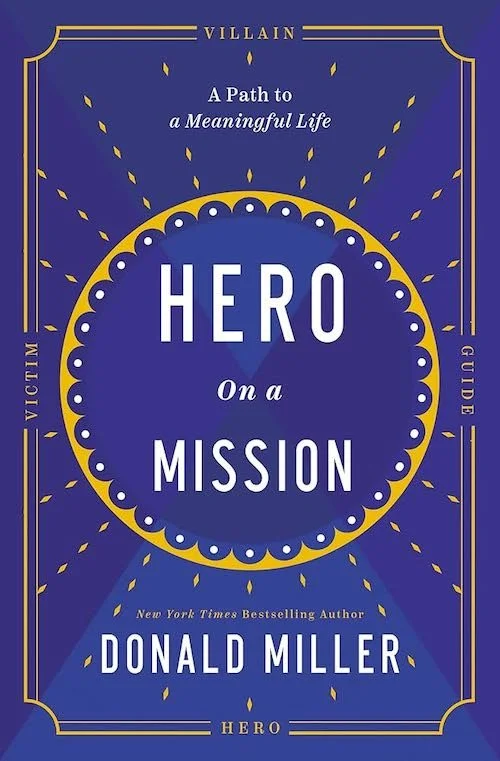
A book full of great insights and reminders is Hero on a Mission by Donald Miller.
BEFORE YOU GO
Three ideas in this week's newsletter—and at their core, they share a common idea.
The words we let in shape how we see the world. The books we read shape how we think about it. And the way we spend our days—our time, our attention, our conversations—shapes the life we actually live.
Eighteen years of borrowed time has taught me that none of it is accidental. The people who live well aren't just lucky. They're intentional.
I hope something this week gave you a reason to pause, to notice, or to choose a little more deliberately.
Stay inspired by the life you're living.
Kevin
Apr 23, 2026 — The Slow Strangulation of the Mind
What do isolated Tasmanian tribes and the Vanderbilt fortune have in common? Two stories — separated by millennia — with the same quiet warning about what we lose when we stop engaging with the world.
Take Two
No one should settle for a half-lived life.
WORDS TO WONDER
“No man is an island, entire of itself; every man is a piece of the continent, a part of the main.”
— John Donne, English poet and cleric (1572–1631)
PERSPECTIVES TO PONDER
Around 10,000 years ago, rising seas filled the Bass Strait and cut Tasmania off from mainland Australia.
What followed is one of history's quietest—and most unsettling—lessons.
The Tasmanians didn't just stop progressing.
They regressed.
Over generations, they lost technologies their ancestors had once possessed. Bone tools. Fish hooks. Barbed spears. Warm clothing. Not through war or famine—just slow, steady loss. When the last person who knew a skill died, the skill died with them.
An anthropologist later called it "the slow strangulation of the mind."
Not because the people lacked intelligence. But because they lacked connection.
Contrast that with Tierra del Fuego—an island equally harsh and remote. Those people still developed complex tools and clothing. Why? They had occasional contact with outsiders. As Matt Ridley writes in The Rational Optimist, that was enough. All it took was an occasional incomer to keep technology from regressing.
Occasional contact. That's all it took.
Now fast forward to today.
We've never been more connected—and yet many of us are quietly isolating ourselves. Not geographically, but mentally, socially, intellectually.
We curate our lives until we're surrounded by people who think like us, agree with us, and reinforce what we already believe.
It feels like community. But sometimes, it functions like Tasmania.
Because growth doesn't come from sameness. It comes from exposure. From friction. From conversations that stretch us. When we stop encountering difference, we don't stay the same—we slowly simplify. Our thinking narrows. Our curiosity fades.
The Tasmanians didn't know they were losing anything. Each generation inherited a slightly smaller world, and it felt completely normal.
That's how regression works. Quietly.
So here's something worth asking:
Where have you isolated yourself?
Maybe physically. Maybe intellectually—only consuming ideas that confirm what you already think. Maybe relationally—staying where it's comfortable instead of where it's stretching.
The people who keep growing aren't always the smartest. They're the most connected. They stay open, curious, and in conversation with the world beyond themselves.
The mind that stays connected keeps growing.
The one that closes off...regresses.
THE COST OF INHERITED COMFORT

The Biltmore Estate
On our quest to visit all 50 states, my family and I found ourselves in North Carolina last week—walking through the halls of the Biltmore Estate in Asheville, the largest private residence ever built in the United States.
It’s breathtaking.
Room after room of craftsmanship, scale, and excess—built by George Vanderbilt, heir to one of the greatest fortunes in American history.
At one point, the Vanderbilt name was synonymous with wealth. Cornelius Vanderbilt built a fortune so vast it seemed impossible to lose. His descendants would be set for life. And then some.
But there was a philosophy attached to that wealth.
It wasn’t just to have it. It was to show it.
To live lavishly. To signal status. To play the part of being extraordinarily rich.
And for a time, they did.
But by 1973, when the family gathered for a reunion, there wasn't a single millionaire among them.
Not through a single collapse—but through a pattern.
Spending without building. Display without discipline. Comfort without contribution.
It’s easy to look at a story like this and think it’s about money.
It’s not.
It’s about what happens when we stop producing—when we treat what we’ve been given as something to live off instead of something to build from.
We all inherit something.
Opportunity. Skills. Relationships. A reputation earned over years.
And like the Vanderbilts, we have a choice.
The danger of comfort is that it quietly convinces us we no longer need to strive. That what we have is enough to carry us forward.
But what we don’t actively tend, we slowly lose.
The Vanderbilt fortune didn’t disappear overnight.
It faded.
Gradually.
Almost imperceptibly.
Until what once seemed endless… had simply slipped away.
Comfort is a destination. The Vanderbilts got there.
BEFORE YOU GO
Two very different stories this week. One from 10,000 years ago. One from last week. Same lesson.
The Tasmanians lost what they had through isolation. The Vanderbilts lost what they had through comfort.
The question for the rest of us is the same:
What are we doing with what we’ve been given?
Growth has never been accidental. It requires contact, intention, and a willingness to be stretched.
This week—choose one, and lean in.
Stay inspired by the life you're living.
Kevin
Apr 9, 2026 — Stealing Moments and The Magic of the Space Between
Most people treat waiting as wasted time.
But what if the moments in between—the sideline, the pause, the quiet gaps in your day—are where everything that matters is actually happening?
From an unexpected scene during an NFL playoff game to a forgotten book that took 16 years to be discovered, this issue explores a powerful truth: the way you use the in-between moments shapes everything that follows.
Take Two
No one should settle for a half-lived life.
WORDS TO WONDER
"You have power over your mind—not outside events. Realize this, and you will find strength."
— Marcus Aurelius, Roman Emperor and Stoic philosopher (121–180 AD)
PERSPECTIVES TO PONDER
During an NFL playoff game in January 2025, cameras caught something no one expected.
Philadelphia Eagles wide receiver A.J. Brown was on the sidelines—and he was reading a book.
Not scrolling. Not pacing. Not hyping himself up.
Reading.
The commentators were stunned. As the camera zoomed in, the title came into focus: Inner Excellence—a book about mastering your mindset.
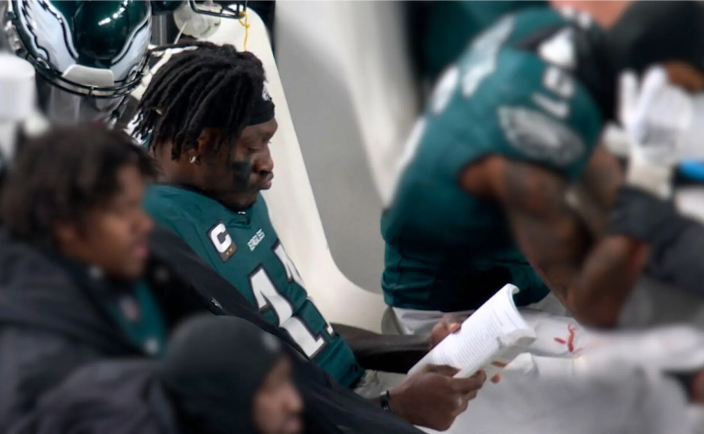
A.J. Brown reading Inner Excellence on the sideline
In the middle of one of the highest-pressure environments in professional sports.
It would be easy to dismiss as strange.
But look closer, and it reveals something worth thinking about.
When A.J. Brown stepped onto the field, he competed fully. But when he stepped off it, he didn't switch off—he simply shifted. From performing to preparing. From output to input.
He understood something Marcus Aurelius understood two thousand years ago:
The outer game is always downstream of the inner one.
You can't control the defense. You can't control the crowd, the calls, or the moment the ball comes your way. But you can control what's happening in your mind—how you think, what you focus on, how you respond.
That's not a small thing. That is the thing.
This hit close to home for me.
I'm a fast-paced person. Waiting has never been a strong suit. Doctors' offices, the DMV—the wait was torture. I'd feel frustration building with every passing minute, as if the time were being stolen from me.
Then someone offered a simple suggestion: bring a book everywhere you go.
It changed everything.
Suddenly, the wait wasn't wasted time. It was reading time. The places I dreaded became the places I actually looked forward to—because I knew I'd get uninterrupted pages. With the Kindle app on my phone, I now carry an entire library in my pocket. What used to feel like time being taken from me became time I was quietly grateful for.
A.J. Brown figured out the same thing—just on a bigger stage.
The sideline wasn't downtime. It was an opportunity. The in-between moment was the preparation.
Most of us treat the gaps in our day as interruptions. The commute. The wait. The quiet Tuesday afternoon. But those gaps are always something—the only question is whether we choose what they become.
Marcus Aurelius didn't write his Meditations for publication. He wrote them for himself—daily mental training in the margins of running an empire. No cameras. No crowd. Just a man, doing the inner work, in the in-between moments.
The sideline is never just the sideline. The wait is never just the wait. The in-between is where it happens—if you choose to show up for it.
The next time life makes you wait—don't kill time. Steal it.
ONE QUESTION WORTH SITTING WITH
Are you someone who kills time—or someone who captures it?
MORE TO THE STORY
Jim Murphy spent years writing a book about mastering your mindset.
He poured his experience as a mental performance coach into every page—working with elite athletes, studying what separated the good from the truly great, distilling it into something practical and transferable.
Inner Excellence was published in 2008.
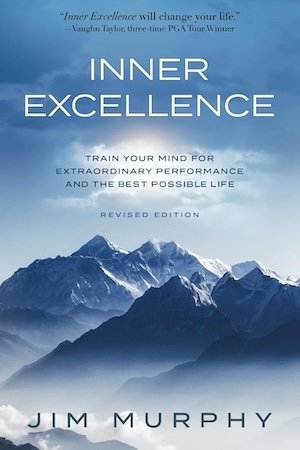
It didn't make a big splash. No bestseller lists. No viral moment. No major press. For sixteen years, it sold quietly—appreciated by those who found it, largely unknown to everyone else.
Then, on a January afternoon in 2025, a camera happened to zoom in on an NFL sideline.
And everything changed.
Within days of A.J. Brown being spotted reading it during a playoff game, Inner Excellence shot to #1 on Amazon. It became a nationwide bestseller. Sales increased by—and this number is not a typo—53,000,000%.
Sixteen years of near-silence. Then one unexpected moment, and the world finally caught up to the work.
Jim Murphy didn't do anything differently. He had simply done the work—carefully, honestly, over a decade prior—and trusted that it had value.
He was right. The world just needed time to find out.
This is worth sitting with.
Because most of us measure the impact of our work in real time. We write the article and watch the clicks. We launch the project and check the response. We put something into the world and wait—impatiently—for the world to confirm it mattered.
But impact doesn't always announce itself on your schedule.
Sometimes your work is quietly sitting on a shelf somewhere, waiting for the right person to pick it up at the right moment—and set off a chain reaction you never could have predicted.
You may never know who reads what you write. Who is shaped by how you lead. Who carries forward something you said in a conversation you've long since forgotten.
Influence doesn't always earn applause.
Sometimes it's just a camera zooming in at exactly the right moment—sixteen years later.
So keep doing the work. Do it well. Do it with intention.
Your moment of recognition may simply be running on a different timeline than you expected.
BEFORE YOU GO
The waiting room. The sideline. The space between what just happened and what comes next.
These aren't gaps in your life.
They're part of it.
You don't need more hours in the day. You might just need a different relationship with the ones you're already standing in.
Just steal the moments.
The in-between isn't empty.
It's available.
Stay inspired by the life you're living.
Kevin
Mar 26, 2026 — Just Beyond the Spotlight
What if the most meaningful parts of your life aren’t the ones everyone applauds?
From an unexpected moment at a concert to the hidden significance of an ordinary day, this issue explores why the moments we almost miss often matter the most—and how noticing them can change everything.
Take Two
No one should settle for a half-lived life.
WORDS TO WONDER
“There are always flowers for those who want to see them.”
— Henri Matisse, French Artist (1869–1954)
PERSPECTIVES TO PONDER
Life is full of center stage moments.
The obvious. The loud. The things designed to capture our attention.
They demand our focus—pulling our eyes toward what’s highlighted, amplified, and expected.
But sometimes, the most remarkable moments aren’t happening under the spotlight.
They’re unfolding just beyond it.
Years ago, I attended a concert by Billy Joel. He was, as you’d expect, incredible. Hit after hit. A lifetime of music filling the room.
But what I remember most didn’t come from center stage.
It came from the edge.
One of the band members—a woman named Crystal Taliefero—sang backup, played the saxophone, and moved effortlessly between instruments. At one point, she was playing the tambourine, dancing in rhythm with the music, completely in sync with the moment.
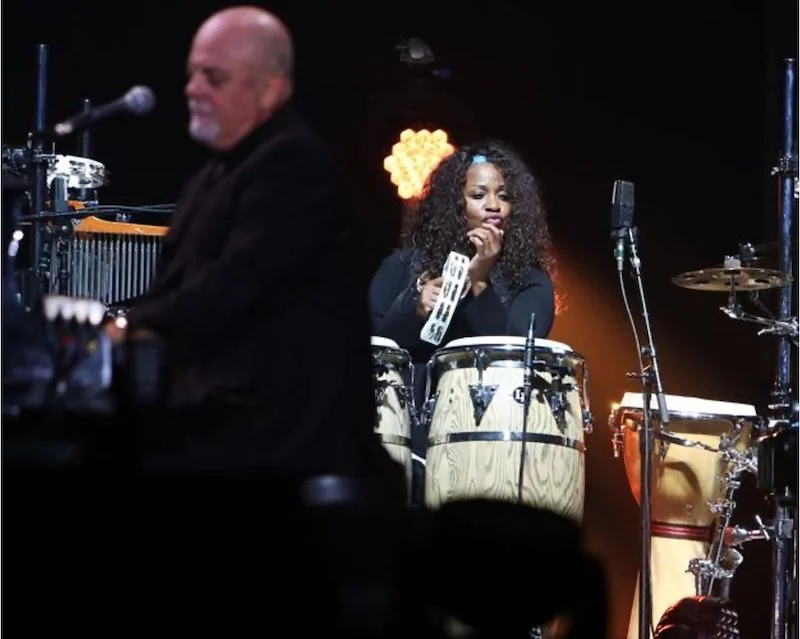
Crystal Taliefero with Billy Joel
And then it happened.
She clipped her microphone with the tambourine.
The mic popped loose from the stand and began to fall.
I braced for the thud when the microphone would hit the ground.
But instead—without breaking rhythm, without missing a beat—she pivoted, caught the microphone between her knees mid-fall, steadied it, returned it to the stand… and kept playing like nothing had happened.
It was seamless. Almost invisible.
I remember thinking: Did anyone else just see that?
The crowd kept cheering. The music carried on. The moment passed.
But it stayed with me.
Because it reminded me of something we often forget:
Life isn’t just made up of the big, obvious highlights.
It’s made up of small, unscripted moments—moments that reward presence, awareness, and a willingness to notice what others overlook.
There are flowers everywhere.
Moments of beauty. Skill. Humanity. Surprise.
Most people miss them.
Not because they aren’t there…
…but because they aren’t looking.
Most of what makes life memorable doesn’t announce itself.
It happens quietly.
Just beyond the spotlight—waiting for those who choose to see.
THIS DAY IN HISTORY—MARCH 26
I’ve always loved history.
With only 365 days in a year, it means something remarkable has happened on every single one.
Today is March 26.
On this day:
Ludwig van Beethoven passed away, leaving behind music that still moves the world centuries later
Jonas Salk announced he had successfully developed a vaccine for polio—saving millions of lives
Guns N' Roses signed their first record deal, beginning a journey that would redefine rock music
And it’s also the birthday of:
Diana Ross
Steven Tyler of Aerosmith
Leonard Nimoy
And poet Robert Frost
When they were born, no one knew what they would become.
No one knew the music they would compose, the lives they would save, or the words they would write.
Today, there are extraordinary things happening we know nothing about.
People are being born who will change the world.
And maybe—without realizing it—you’ll do something today that will matter to someone in the future.
What makes a day meaningful is what we choose to do with it.
History isn’t just something we look back on.
It’s something we create—one day at a time.
What will you do today that might change someone’s tomorrow?
THE DAY MY TURTLES BECAME DUCKS
I remember the moment I decided I wasn’t creative.
I was in first grade, staring at a blank sheet of paper, trying to paint a masterpiece… and instead, I ended up painting something else entirely.
What happened next shaped how I saw myself for years.
It’s a simple story—but it raises a powerful question:
Are you living your life… or someone else’s version of it?
Read the full story: The Day My Turtles Became Ducks
BEFORE YOU GO
Life is more than the big, obvious moments.
Some of the best ones happen just beyond the spotlight.
We don’t have to have everything figured out—
but we do need to stay curious.
And don’t forget: every day, including today, holds the potential to become meaningful—if not historic.
Stay inspired by the life you’re living.
Kevin
Mar 12, 2026 — The Woman Who Made Van Gogh Famous
Vincent van Gogh died largely unknown. The world almost missed his genius—until one woman refused to let it disappear. The story of Johanna van Gogh-Bonger reveals a powerful truth about perspective, belief, and the impact we can have when we champion someone else’s gifts.
Take Two
For people who know there’s more to life and don’t want to miss it.
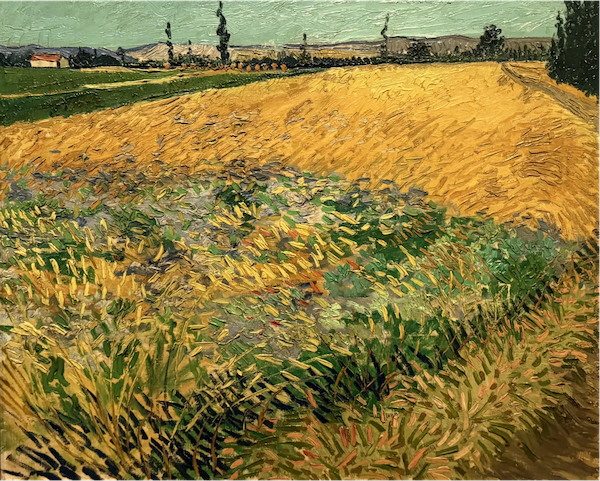
Wheatfield, by Vincent van Gogh
WORDS TO WONDER
“What we do for ourselves dies with us. What we do for others remains and is immortal.”
— Albert Pike, American writer and poet (1809–1891)
PERSPECTIVES TO PONDER
Last week I was in Amsterdam.
And as I always do when I’m there, I spent hours wandering through my favorite museum—the Van Gogh Museum.
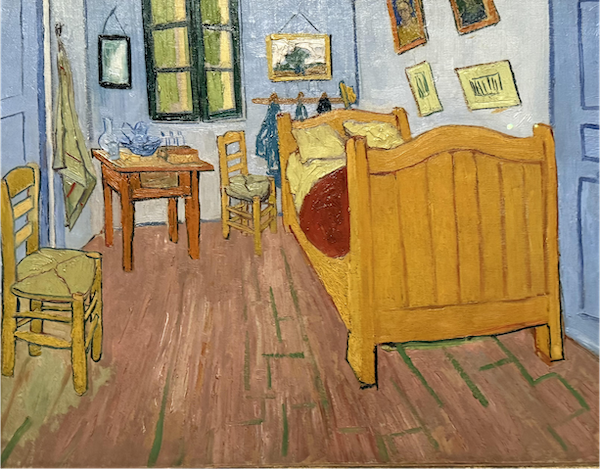
The Bedroom, by Vincent van Gogh
Vincent van Gogh died in 1890, largely unknown. Despite producing more than 2,000 works of art, he had sold only one painting in his lifetime.
His biggest supporter was his brother Theo, who financed Vincent’s work for years.
But six months after Vincent died, Theo died too.
That left Theo’s young widow, Johanna, with hundreds of Vincent’s paintings, drawings, and letters, as well as a baby to raise.
She could have sold everything quickly to support herself.
Instead, she chose a different path.
Johanna believed Vincent’s work mattered.
So she made it her life's work to help the world see it too.
She organized exhibitions across Europe.
She built relationships with critics and dealers.
She carefully released paintings instead of flooding the market.
And she published Vincent’s letters, revealing the passion and struggle behind the art.
Slowly, the world began to notice.
Within a generation, Vincent van Gogh became one of the most celebrated artists in history.
Today millions visit the museum that holds the largest collection of his work.
Standing there, looking at those masterpieces, one thought stayed with me:
Without Johanna, the world might never have known Vincent van Gogh.
We celebrate the genius.
But sometimes the person who changes history is the one who believes in someone else’s genius enough to champion it.
Johanna didn’t paint the masterpieces.
She simply made sure the world could see them.
And it raises a powerful question for all of us:
Whose gift could flourish because you chose to believe in it before the world did?
Sometimes the greatest legacy we leave is the success we help someone else achieve.
QUOTES TO CONSIDER
Two reminders about the power of perspective.
“There are things known and there are things unknown, and in between are the doors of perception.”
— Aldous Huxley (1894–1963)
Many possibilities in our lives are not blocked by reality.
They are blocked by how we see reality.
Sometimes the most important change is not changing our circumstances, but changing our perception.
___
“It is not things themselves that disturb us, but our opinions about them.”
— Epictetus (c. 50–135 AD)
Events themselves rarely define our experience.
Our interpretation of those events often does.
Change the story you tell yourself, and you often change the way life feels.
STEP BACK UNTIL THE PICTURE COMES INTO FOCUS
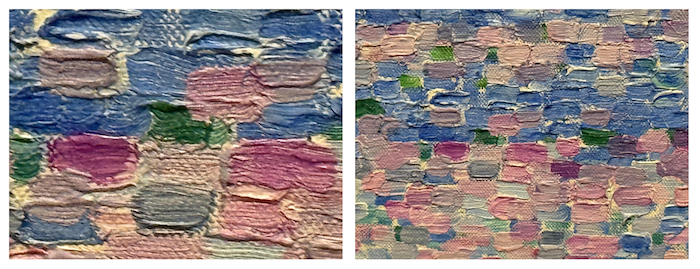
Paul Signac was a French painter known for helping develop pointillism, a style of painting that uses tiny dots of color placed close together so they blend in the viewer’s eye to form an image.
Standing in front of a pointillist painting, the image makes little sense up close.
All you see are scattered dots of color.
But when you step back—with the right distance—the image suddenly comes into focus.
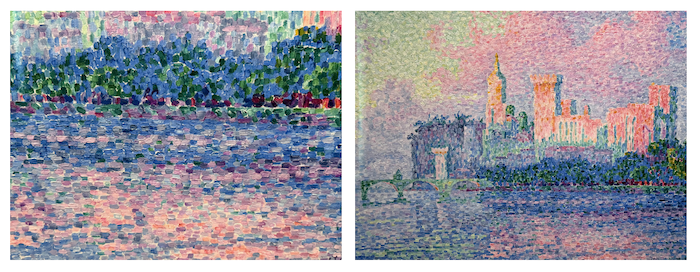
Le Chateau des Papes, Paul Signac
I think pointillism offers a powerful metaphor for life.
Sometimes when we are too close to a situation, we lose perspective. We can’t see the forest for the trees. But when we give ourselves space—when we step back—the chaos begins to make sense.
If life feels confusing or overwhelming right now, you might not need a solution as much as you need distance.
Distance from the noise.
Distance from the pressure.
Distance from the problems crowding your mind.
Create some unscheduled space in your life.
Step back enough for the picture to come into focus.
Because sometimes clarity doesn’t come from pushing harder.
It comes from stepping back far enough to see the whole painting.
And the picture you are painting with your life.
BEFORE YOU GO
This week’s ideas all point to the same truth: perspective shapes everything.
Vincent saw the world differently. Johanna helped the world see it too.
Pointillism reminds us that stepping back often reveals what we couldn’t see up close.
And philosophers from Epictetus to Huxley remind us that how we interpret life shapes how we experience it.
Sometimes the most powerful shift isn’t changing our circumstances.
It’s changing how we see them.
Stay inspired by the life you’re living.
Kevin
Feb 26, 2026 — Nothing Left to Take Away
What if progress isn’t about adding more—but removing what isn’t essential? A reflection on simplicity, creative influence, and why sometimes the strongest structures have space built into them.
Take Two
For people who know there’s more to life and don’t want to miss it.
WORDS TO WONDER
“Perfection is achieved not when there is nothing more to add, but when there is nothing left to take away.”
— Antoine de Saint-Exupéry, French writer and pioneering aviator (1900–1944)
PERSPECTIVES TO PONDER
In the late 1800s, building blocks were exactly what you’d imagine: solid slabs of concrete, each weighing around 100 pounds. Heavy. Dense. Impractical. Strength, at the time, was measured by mass.
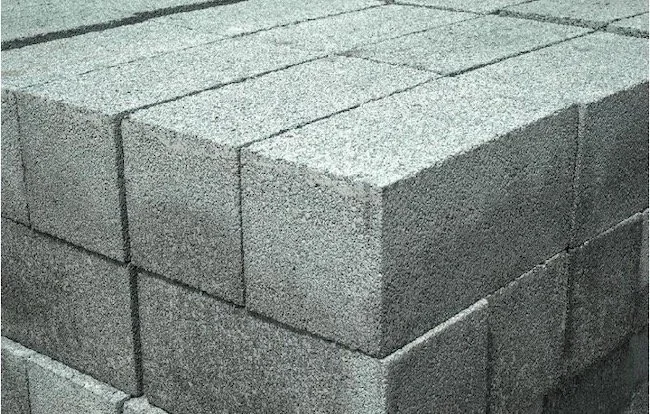
Then along came an inventor named Harmon S. Palmer, who began experimenting with molded concrete blocks. Instead of adding more material, he removed it. He designed hollow cores inside the block — empty spaces that dramatically reduced the weight while maintaining structural integrity.

The result?
A block that was lighter.
Easier to handle.
More efficient.
And in many applications, structurally stronger.
The breakthrough wasn’t in adding more concrete.
It was in knowing what to take away.
Saint-Exupéry understood something similar about design — and about life. Perfection isn’t accumulation. It’s elimination.
We live in a culture that equates progress with addition:
More commitments.
More possessions.
More goals.
More hustle.
We assume strength comes from stacking more weight onto our shoulders.
But what if we’re carrying more weight than we need to?
What you leave out is just as important as what you leave in.
The structure matters more than the mass.
Maybe the reason life feels heavy isn’t because you lack effort — but because you haven’t removed what isn’t essential.
The unnecessary obligation.
The draining relationship.
The endless scrolling.
The outdated expectation.
The belief that busier means better.
When life isn’t working the way you hoped, the answer may not be to add something new. It may be to subtract something old.
Strength doesn’t come from carrying everything.
It comes from building wisely.
And sometimes, the strongest life is the one with space built into it.
WHEN THE PLAN ISN'T THE PROBLEM
You don’t need a better roadmap.
You may need the courage to change the passenger list.
I wrote about why strategy often isn’t the real issue — in business or in life.
Read the full article here.
MORE TO THE STORY — PET SOUNDS
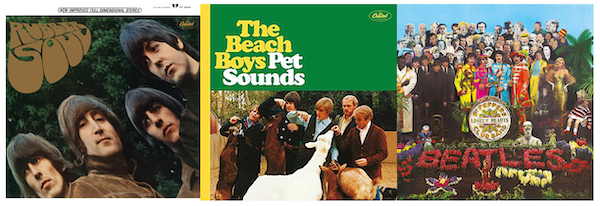
Last week, I told you how Pet Sounds took thirty-four years to be certified gold — a masterpiece the market was slow to understand.
But that wasn’t the whole story.
Before Pet Sounds ever existed, Brian Wilson of The Beach Boys heard Rubber Soul by The Beatles.
And it changed him.
For the first time, he heard a pop album that felt unified — not just a collection of radio hits, but a cohesive artistic statement. It redefined what was possible.
Wilson later said that when he heard Rubber Soul, he thought, I’m going to make an album that’s just as good — maybe even better.
That challenge became fuel.
He stopped touring. He went into the studio. He obsessed over arrangements, harmonies, emotion.
The result was Pet Sounds.
Then the ripple reversed.
When Paul McCartney heard Pet Sounds, he was in awe. He later called “God Only Knows,” one of the album’s standout tracks, the greatest song ever written. The Beatles studied Pet Sounds carefully while working on their next project — the album that would become Sgt. Pepper’s Lonely Hearts Club Band.
Producer George Martin put it bluntly:
“Without Pet Sounds, Sgt. Pepper never would have happened. Pepper was an attempt to equal Pet Sounds.”
And Sgt. Pepper is now regarded as one of the most influential albums ever recorded — a record inspired by an album that initially few appreciated.
Think about that.
An album that felt underappreciated in its own moment helped spark one of the greatest records ever made.
Influence doesn’t always earn applause.
Sometimes it’s the spark in someone else’s mind.
You may never see the full reach of your work.
You may never know who is quietly studying it.
You may never realize who is being challenged to raise their own standard because of what you created.
But thoughtful, intentional effort has a way of multiplying.
So keep creating, regardless of the recognition.
Because your work might be someone else’s Rubber Soul.
And they might turn it into their own Sgt. Pepper.
BEFORE YOU GO
Strength isn’t always about adding more.
Sometimes it’s about carrying less.
Sometimes it’s about choosing who (and what) gets space in your life.
Build with intention.
Subtract with courage.
Trust that even quiet influence matters.
Stay inspired by the life you’re living.
Kevin
P.S.
I recently had a great conversation on the Pivotal People podcast about my latest book, Words to Wonder. We talked about courage and contentment, purpose, and the importance of living intentionally.
If that resonates, you can listen here.
Feb 12, 2026 — Unseen. Not Unimportant
Pet Sounds once peaked at #10 and was called a disappointment. Decades later, it became a masterpiece. A reminder that unseen work is not unimportant.
Take Two
For people who know there’s more to life and don’t want to miss it.
WORDS TO WONDER
“Be faithful to that which exists within yourself.”
— André Gide, French writer, winner of the Nobel Prize in Literature (1869–1951)
PERSPECTIVES TO PONDER
In 1961, The Beach Boys crashed onto the music scene.
By 1963, they were climbing the Billboard charts with “Surfin’ U.S.A.,” “Surfer Girl,” and “Be True to Your School.” Soon came three #1 singles: “I Get Around,” “Help Me, Rhonda,” and “Good Vibrations.”
They were America’s soundtrack to sunshine.
Then, in 1966, they released Pet Sounds.
It was highly anticipated but only reached #10 on the charts.
Compared to their earlier chart-toppers, it was considered a disappointment.
Fans expected more surfing, cars, and carefree fun. Instead, they got vulnerability. Longing. Emotional depth. Songs like “God Only Knows” that sounded less like beach anthems and more like prayers.
It didn’t fit the moment. But moments change.
Sometimes what feels like a miss is simply ahead of its time.
A decade later, Paul McCartney said:
“God Only Knows is the greatest song ever written.”
Then, in 2000, thirty-four years after its release, Pet Sounds was certified Gold (500,000 copies sold). Two weeks later, it went Platinum (1,000,000).
The first half-million took 34 years.
The second took two weeks.
The album didn’t change. The world finally heard what had been there all along.
Our work isn’t always recognized when it’s released into the world. Sometimes it’s misunderstood. Sometimes it feels invisible. Sometimes it feels like shouting into the wind.
It’s tempting to abandon what’s meaningful when no one seems to notice.
But greatness is often ahead of its time.
If you’re discouraged and it feels like no one is listening, don’t confuse delayed recognition with lack of value.
Trade the desire for immediate applause for the pursuit of lasting impact.
Keep building.
Keep writing.
Keep creating.
Great work is not measured by its first reaction.
It is measured by its staying power.
QUESTIONS TO CONSIDER
Am I chasing visibility—or impact?
Are the results I want the natural outcome of the actions I take daily?
If recognition were delayed for years, would I stay the course?
NOT-SO-ORDINDARY FINDS
Kindness in the Quiet
A couple of minutes that will brighten your day.
BEFORE YOU GO
Not everything meaningful is immediately noticed.
Not everything unseen is unimportant.
Press on with your purpose—even when the world doesn’t seem to notice.
Stay inspired by the life you are living.
Kevin
Feb 5, 2026 — The Cost of Staying the Same
Comfort has a cost. This reflection explores how habits, familiarity, and the past can quietly shape our lives—and the courage it takes to begin again.
Take Two
For people who know there’s more to life and don’t want to miss it.
WORDS TO WONDER
“The chains of habit are too light to be felt until they are too heavy to be broken.”
— Warren Buffett
PERSPECTIVES TO PONDER
After college, I lived in a small two-bedroom, one-bath house with four other guys. Our tiny house was never meant for five people. We assumed it would be temporary—but comfort has a way of extending timelines, and we ended up staying for years.
The landlord had one unusual rule: we were not allowed to change the phone number.
The house had belonged to his grandmother, and the number was etched into his memory. He cared about it so much that he offered to pay our phone bill himself, just to keep the number the same.
A free phone bill was a nice perk. Over time, it became a windfall.
A few of the guys were in long-distance relationships—some international. Phone use exploded. So did the bill. Eventually, the monthly phone charges exceeded the rent.
And still, the landlord paid.
He was losing money every month, not because the house wasn’t rentable, but because he couldn’t let go of something familiar.
It’s easy to see the mistake from the outside. But it raises a quieter, more uncomfortable question:
Where might we be doing the same thing?
Most of us carry at least one habit, belief, or pattern we’ve outgrown, but keep anyway. Not because it serves us, but because it’s familiar. Comfortable. Known.
Over time, the cost adds up.
Momentum slows.
Opportunities narrow.
Life becomes more expensive than it needs to be.
If you’re honest with yourself, where is your unwillingness to change costing you?
And if there were one change—just one—that would improve your life in the long run, what would it be?
Maybe it’s time to change the phone number.
WHEN THE PAST STILL LINGERS
This week I’m in Dallas, and I’m struck by how heavily history hangs over this city.
Dealey Plaza.
The X’s painted in the street marking where John F. Kennedy was struck.
The Sixth Floor Depository.
The theater where Lee Harvey Oswald was arrested.
The place where he had earlier killed Officer Tippit.
The Municipal Building where Jack Ruby ended Oswald's life.
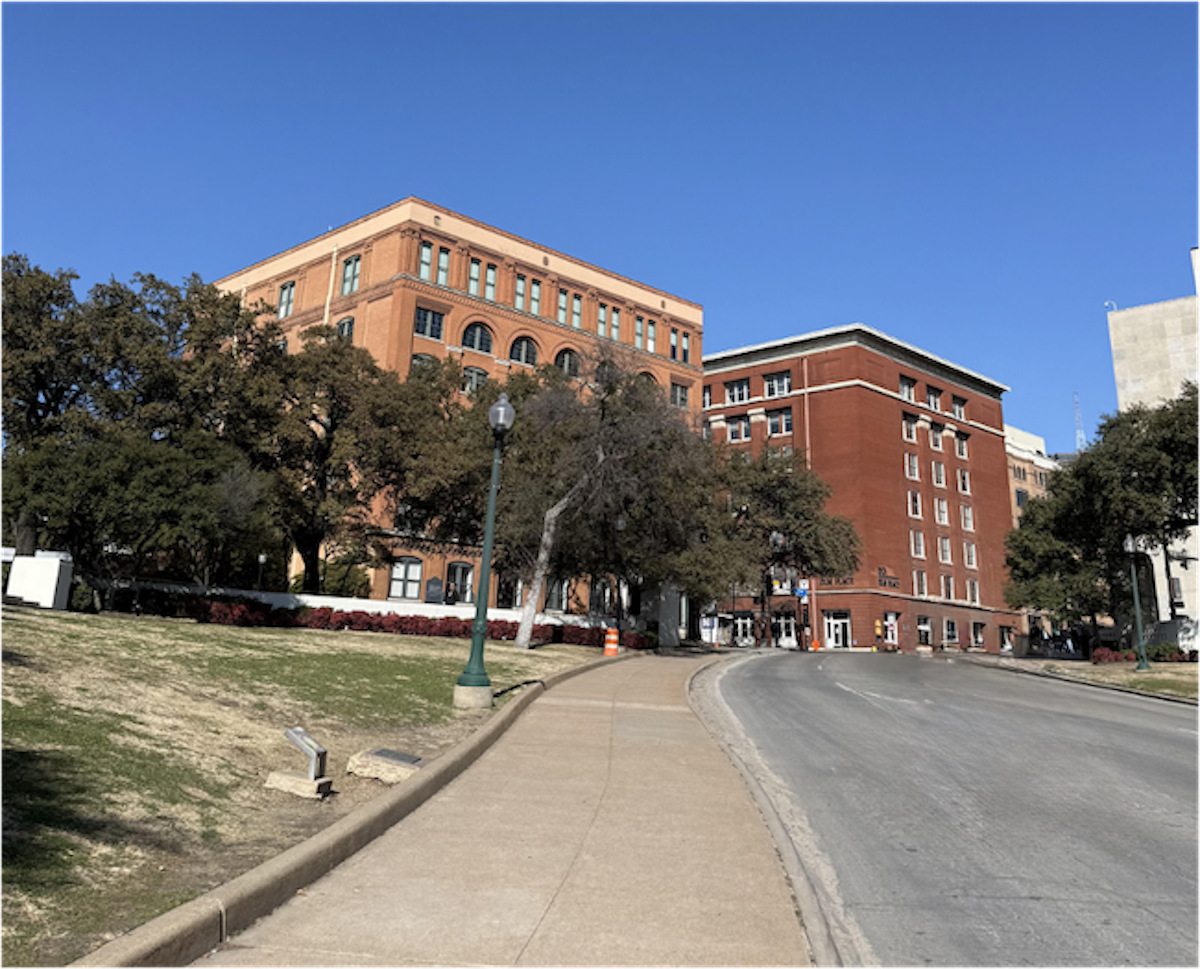
Dealey Plaza, Dallas
Decades have passed, yet the past still looms.
And it made me think about how often we allow our own history to do the same.
Old failures.
Past mistakes.
Versions of ourselves we wish we could forget.
Unlike a city—where curiosity and remembrance will always keep certain chapters alive—we’re not required to live in our past. We’re allowed to turn the page. To begin again. To create distance between who we were and who we’re becoming.
So here’s the question I’m sitting with:
Where are you still lingering in the failures of your past?
And what might change if you decided—today—to write a new story?
THINGS WORTH THINKING ABOUT
The Difference Between a Successful Life and a Meaningful One
What if success isn’t the thing we should be chasing?
This short thought experiment reveals why a life can look good on paper—and still feel empty inside. A reflection on success, meaning, and the quieter question that determines whether a life truly feels worth living.
→ Read the full article
BEFORE YOU GO
Life is constantly inviting us to begin again—sometimes quietly, sometimes at a cost.
May you have the clarity to notice where change is needed, the courage to make it, and the wisdom to invest your days in what will still matter when you look back.
Stay inspired by the life you’re living.
Kevin
Jan 29, 2026 — Are You Fighting the Laws of Physics?
Newton’s First Law of Motion isn’t just physics—it’s a mirror for how we live. This reflection explores inertia, momentum, and the small forces that quietly shape the direction of our lives.
Take Two
For people who know there’s more to life and don’t want to miss it.
ARE YOU FIGHTING THE LAWS OF PHYSICS?
Isaac Newton’s First Law of Motion—the law of inertia—states:
An object at rest stays at rest, and an object in motion stays in motion, unless acted upon by an external force.
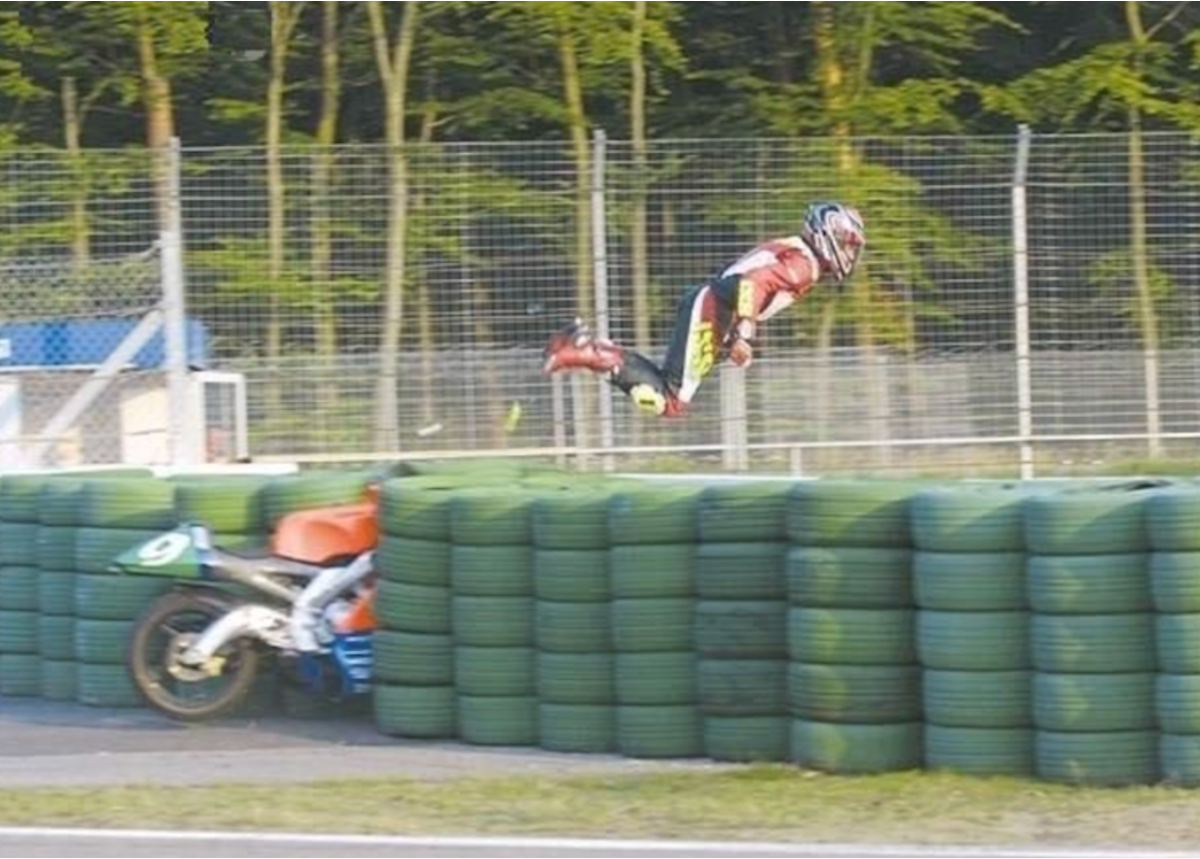
It’s a core principle of physics, but it’s also a quiet truth about how we live.
So it’s worth asking:
Are you at rest?
Not physically, but existentially. Have you lost momentum? Settled into routines that no longer challenge you? Stopped trying not because you chose to, but because it slowly became easier not to?
Or are you in motion?
You may be busy, productive, constantly moving—but motion alone isn’t the goal. Is your movement taking you closer to the life you want to live? Or is it carrying you farther away, just at a faster pace?
Newton reminds us of something important: motion doesn’t change on its own. A life at rest doesn’t suddenly spring forward. A life drifting off course doesn’t magically correct itself.
Change requires a force.
That force might be a decision you’ve been avoiding.
A conversation you need to have.
A habit you need to start (or one you need to stop).
A choice to pursue what matters most.
There are forces acting on you whether you choose them or not. Some energize you. Others quietly slow you down. Paying attention to which ones you allow into your life may matter more than you realize.
The laws of physics are at work every moment of every day. The question is: are you fighting them—or letting them work for you?
QUOTATIONS TO CONSIDER
“It’s not that we need to do more. It’s that we need to do less of what doesn’t matter.”
— Greg McKeown, leadership thinker and author
“You cannot find peace by avoiding life.”
— Virginia Woolf, English writer
“Inspiration is perishable—act on it immediately.”
— Naval Ravikant, entrepreneur and investor
“I was in darkness, but I took three steps and found myself in paradise. The first step was a good thought. The second, a good word; the third, a good deed.”
— Friedrich Nietzsche, German philosopher and writer
THINGS WORTH THINKING ABOUT
Why Indecision Is the Biggest Reason You’re Missing Out
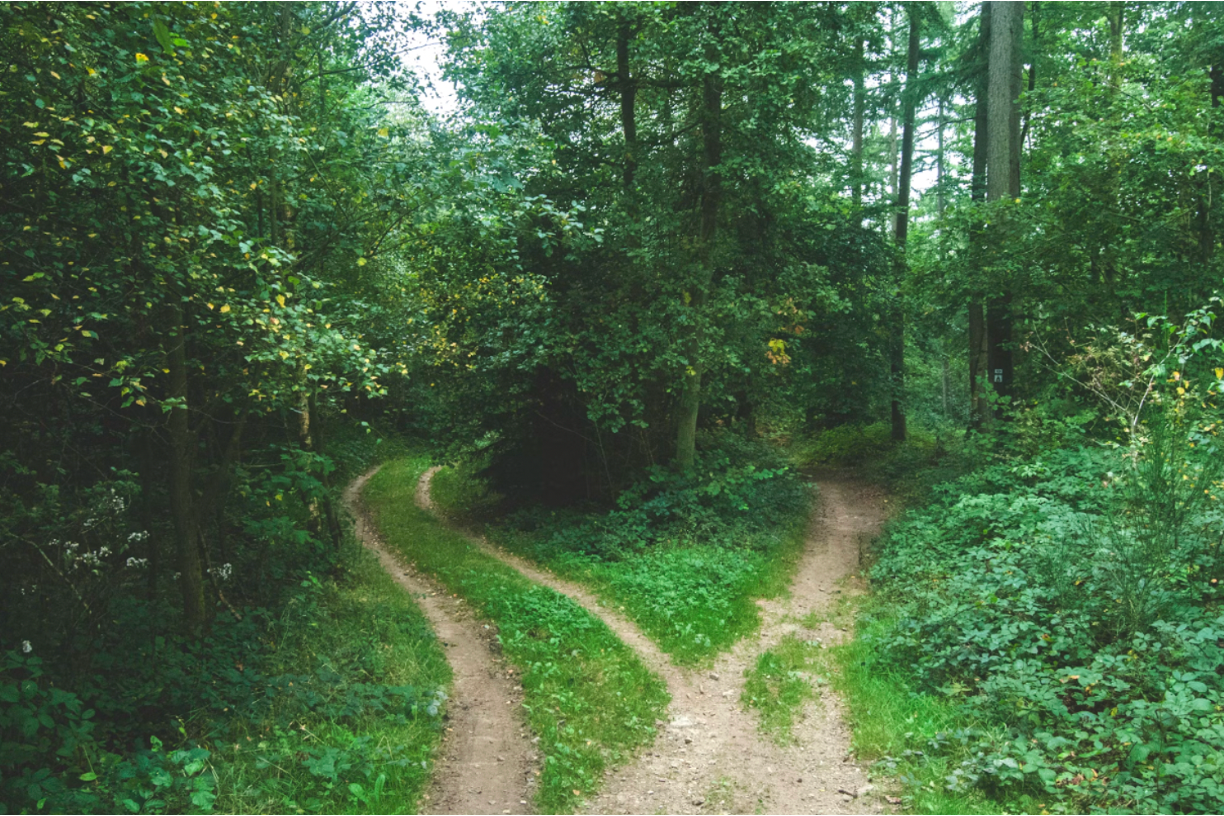
How much life are you missing because you’re waiting to decide? This article explores why indecision is often more damaging than a wrong choice—and how small decisions can restore momentum.
BEFORE YOU GO
This week’s ideas all point in the same direction: momentum matters. Whether it’s physics, perspective, or choice, small decisions shape the direction of our days—and, over time, our lives.
I hope you’re finding meaningful momentum as you pursue what matters most.
Stay inspired by the life you’re living.
Kevin
Jan 22, 2026 — A Perfectly Logical Error
A story about a perfectly logical mistake, the limits of certainty, and why asking better questions may matter more than having the right answers.
Take Two
For people who know there’s more to life and don’t want to miss it.
A PERFECTLY LOGICAL ERROR
My dad once told me a story about growing up in Ireland during World War II.
Out of concern that the country might be invaded, many signs were stripped of their English, leaving only the Gaelic text. The idea was simple: make navigation harder for any invading force.
After the war ended, English signs were slow to return. Most of the time, this caused only minor confusion—until international travelers began passing through Shannon Airport.
The restroom doors were labeled only in Gaelic:
Fear — men
Maighdean — women
To travelers unfamiliar with the language, the reasoning seemed obvious. Fear starts with an F, so it must be female. Maighdean starts with an M, so it must be men.
Perfectly logical. Completely wrong.
People kept walking into the wrong restroom until airport officials finally added English translations.
The travelers weren’t thinking poorly—they were thinking clearly. Their logic worked. What failed was the information underneath it.
Life is full of moments like this. Times when our reasoning is sharp, our conclusions feel obvious, and yet we’re still heading for the wrong door.
Because logic is only as reliable as the understanding it’s built on.
We don’t usually go wrong because we aren’t thinking. We go wrong because we’re thinking from incomplete information—and treating it as if it’s complete.
So perhaps the quiet wisdom isn’t to distrust our thinking—but to hold it lightly enough to ask, What might I be missing here?
Sometimes the most important course correction isn’t a better answer, but a better question.
QUOTATIONS TO CONSIDER
“It is easier to see the mistakes in other people’s thinking than in our own.”
— Simone Weil, French philosopher
“The eye sees only what the mind is prepared to comprehend.”
— Henri Bergson, French philosopher
“It ain’t what you don’t know that gets you into trouble. It’s what you know for sure that just ain’t so.”
— Mark Twain, American writer and humorist
“The problem with the world is that the intelligent people are full of doubts, while the stupid ones are full of confidence.”
— Charles Bukowski, American poet and novelist
BOOK RECOMMENDATION
Same as Ever by Morgan Housel
At its core, Same as Ever is about human behavior. Housel explores the timeless forces that shape success, failure, progress, and frustration. Technology changes. Circumstances change. People don’t—at least not in the ways that matter most.
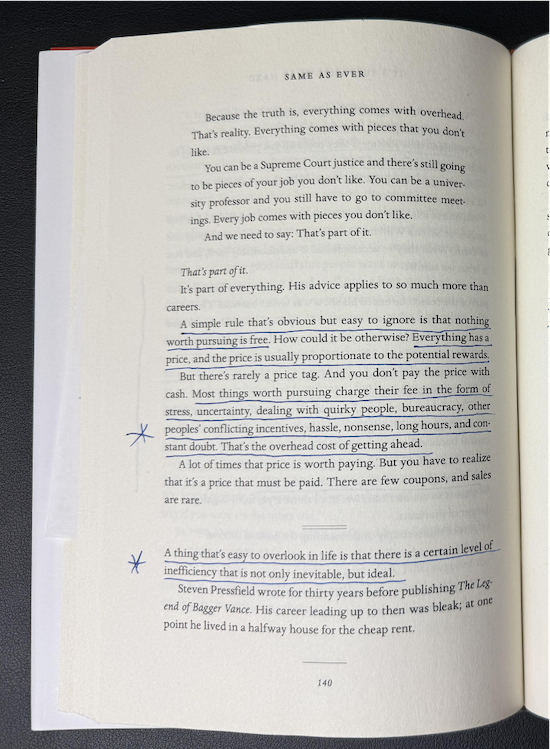
Same as Ever is a reminder that progress always comes with friction. Every meaningful pursuit has an “overhead cost”—stress, uncertainty, inefficiency, and inconvenience. The challenge isn’t eliminating these costs; it’s learning how much of them to accept so you can keep moving forward. Another great book from Morgan Housel. Check it out.
BEFORE YOU GO
This week, I’m focused on asking better questions—exploring what I might be missing—and remembering that a little inefficiency is part of the deal. I hope you find the right balance between progress and imperfection as you pursue the life you want.
Stay inspired by the life you’re living.
Kevin
Jan 15, 2026 — Sunshine and Shadows
We imagine a future version of life with fewer problems and more joy. But real happiness isn’t waiting somewhere else—it’s found in how we live, notice, and attend to life today.
Take Two
For people who know there’s more to life and don’t want to miss it.
WORDS TO WONDER
“If you think of your future self living in a new mansion, you imagine basking in splendor and everything feeling great. What’s easy to forget is that people in mansions can get the flu, have psoriasis, become embroiled in lawsuits, bicker with their spouses, feel wracked with insecurity and annoyed with politicians—which in any given moment can supersede any joy that comes from material success. Future fortunes are imagined in a vacuum, but reality is always lived with the good and bad taken together, competing for attention.”
— Morgan Housel
PERSPECTIVES TO PONDER
One of the most subtle ways we make ourselves unhappy is by comparing our full, lived reality to some imagined future.
We picture a future version of life with more perks and fewer problems than we have now. Our imagination makes it easy to believe we can have success without cost, happiness without interruption. But as Morgan Housel reminds us, those futures exist only in theory. Real life is never lived in a vacuum.
Every life (no matter how enviable it looks from the outside) is lived with a mix of beauty and burden. Joy shares space with inconvenience. Success coexists with insecurity. Love does not eliminate worry. Even the lives we most admire still include sickness, conflict, boredom, and doubt. That’s not failure—it’s simply what it means to be human.
The mistake isn’t wanting things to improve. Growth and progress matter. The mistake is believing that happiness lives somewhere else, that it will finally arrive once the variables line up just right. When we do that, we overlook the quiet goodness already woven into our days. We trade presence for projection.
A better way to live is to hold both perspectives at once. To acknowledge the hard without letting it eclipse the good. To pursue a better future without dismissing the life we’re already living. Not because it’s perfect, but because it’s real.
My future (and yours) will come with a mix of sunshine and shadows. It always does. But so does today. And if we’re paying attention, there is almost always something here, right now, worth noticing, appreciating, and enjoying.
QUOTATIONS TO CONSIDER
1. "Tend to the small things. More people are defeated by blisters than mountains."
— Kevin Kelly, founding executive editor Wired magazine (b. 1952)
2. "If we only wished to be happy, this could be easily accomplished; but we wish to be happier than other people, and this is always difficult, for we believe others to be happier than they are."
— Montesquieu, French judge, philosopher (1689-1755)
3. "People from a planet without flowers would think we must be mad with joy the whole time to have such things about us."
— Iris Murdoch, novelist and philosopher (1919-1999)
THE COMPLIMENT MOST PEOPLE NEVER GIVE
C. S. Lewis, the author of The Chronicles of Narnia, died on November 22, 1963, at the age of 64. His passing went largely unnoticed—not because his life was insignificant, but because that same day the world’s attention was consumed by the assassination of John F. Kennedy.
Lewis was buried near Oxford with only a few dozen people in attendance. At his funeral, his friend Austin Farrer offered a simple but striking tribute: “His characteristic attitude to people in general was one of consideration and respect. He paid you the compliment of attending to your words.”
When is the last time someone truly attended to your words?
We live in a distracted world where people attend to their phones more than they do people. The result? Half-heard conversations, eyes drawn elsewhere, attention divided and diluted. We may be physically present, but mentally we’re a hundred other places.
Leo Tolstoy once wrote, “The most important person is the one you are with in this moment.” Imagine what might change if we lived as if that were true. If we offered others the rare gift of undivided attention.
In a world starved for presence, attending to another’s words is no small thing. It is an act of respect. A form of generosity. And a quiet way to set yourself apart.
BEFORE YOU GO
We’re 15 days into 2026. If you repeated the past two weeks over and over for the rest of the year, would you be content with how you lived it?
Not every moment will be productive or wonderful. But I hope you’ve already made time to connect with people you care about, tried something you’ve never tried before, or created a memory you’ll enjoy revisiting for years to come.
Stay inspired by the life you’re living.
Kevin
Jan 8, 2026 — Not Ready, Not Set…Go
We often wait to feel ready before we begin. But clarity rarely comes first—it follows action. The path forward is made by walking, imperfectly and anyway.
Take Two
For people who know there’s more to life and don’t want to miss it.
WORDS TO WONDER
"The path is made by walking."
— Antonio Machado, Spanish poet (1875-1939)
PERSPECTIVES TO PONDER
I was listening recently to an interview with Ed Sheeran, and he was asked about his songwriting process. Did he start with lyrics or music? Did inspiration come from a particular place? Did he follow a system?
His answer surprised me in its simplicity.
“I don’t really have a process,” he said. “I just do it. I pick up a guitar every day and write one or two songs.”
Then he added something even more important: most of those songs aren’t good. Some, he admitted, are downright terrible. But by writing a lot—by showing up day after day—he sharpens his craft. And every so often, hidden among the forgettable songs, something beautiful emerges.
I love that approach—not just to songwriting, but to life.
So often, we wait. We plan. We prepare. We tell ourselves we’ll begin once we feel ready, confident, or clear. We try to create the perfect conditions before taking the first step. But clarity rarely comes before action. More often, it comes because of action.
That’s what Antonio Machado was getting at when he wrote, “The path is made by walking.” The way forward isn’t revealed on a map—it’s revealed through movement. The path appears only after we begin to walk it.
There’s wisdom in planning, of course. But there’s also wisdom in starting before we feel ready. In increasing our volume of effort. In allowing ourselves to produce imperfect work, have awkward conversations, take clumsy steps, and learn as we go.
Most of what we do won’t be remarkable. And that’s okay. Because somewhere in the middle of the mess—amid the false starts and failed attempts—we begin to find our stride. We discover what works. We learn what we're capable of by trying.
So instead of asking, “What’s the perfect plan?” try asking, “What will I do today, and again tomorrow?”
Write the rough draft. Make the call. Take the walk. Begin badly if you must—but begin.
THINKING OUT LOUD
1. Busyness is the most socially acceptable form of underperformance.
2. Sooner or later, we learn that time (not money) is what we're really spending.
3. What we avoid says as much about us as what we pursue.
A TALE OF TWO KICKERS
This past weekend, the final regular-season game between the Pittsburgh Steelers and the Baltimore Ravens came down to the final play of the game.
The winning team would advance to the playoffs. For the losing team, the season would be over.
The game swung back and forth all night. It was a battle. And in the final seconds, with the season hanging in the balance, the Ravens sent their kicker, Tyler Loop, onto the field.
The snap was clean.
The kick was up.
And it missed.
Just like that, the season was over.
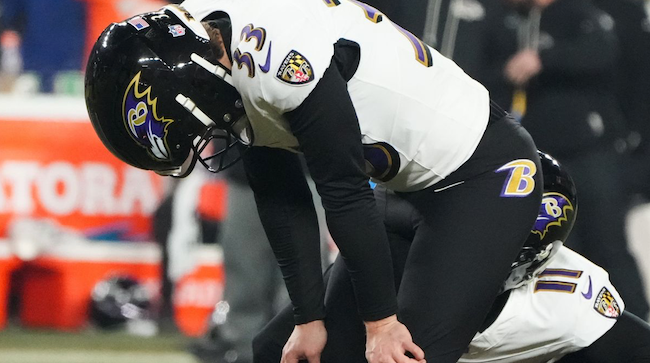
Kicker Tyler Loop after missing the kick
What followed was heartbreaking. In the days after the game, the kicker became the target of an avalanche of anger and abuse. Online harassment poured in. His fiancée’s social media accounts were flooded with hateful messages. The hostility grew so intense that the couple required security for their own safety.
One missed kick and Tyler Loop was now the most hated man in Baltimore.
Now consider a similar moment from another era.
On January 27, 1991, the Buffalo Bills were playing in their first-ever Super Bowl—Super Bowl XXV. With seconds left on the clock, the Bills trailed 20–19. Everything came down to a 47-yard field goal.
Their kicker, Scott Norwood, lined up.
The kick was up.
And it sailed wide right.
The Bills lost. Norwood and the Bills were devastated.
But what happened next is one of the most beautiful responses in sports history.
Instead of turning on Norwood, Buffalo showed up for him. Fans sent letters of encouragement. The city held a parade—not to mourn the loss, but to honor the team. And during that parade, the crowd began chanting, “We want Scott!”
Norwood, overwhelmed and unsure, was standing in the back. Slowly, sheepishly, he made his way forward. And when he did, the crowd erupted—not with anger, but with applause.
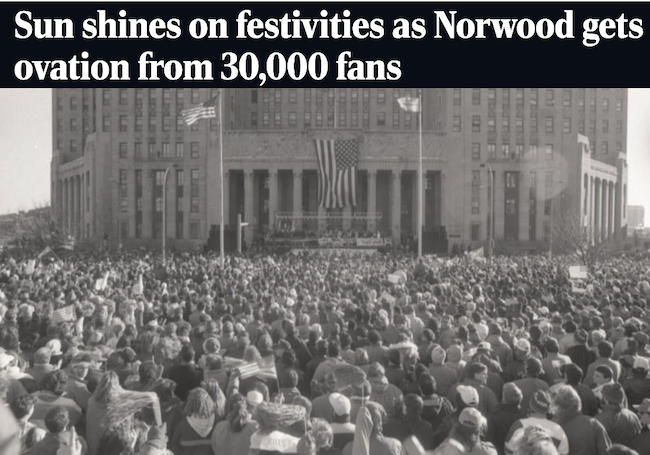
Crowd supporting Scott Norwood after his missed kick
Two kickers.
Two devastating misses.
Two very different responses.
Everyone makes mistakes. Everyone misses. Everyone has moments they wish they could do over.
The question is not whether people will fail.
The question is how we will respond when they do.
Will we pile on—adding shame to disappointment, cruelty to pain?
Or will we offer what every one of us hopes for when it’s our turn to fall: grace, encouragement, and support?
I can’t help but think the world would be a better place with more fans like those in Buffalo.
BEFORE YOU GO
We’re one week into the new year.
Maybe you’re energized—making progress and feeling hopeful about what lies ahead.
Or maybe you’ve already stumbled, lost momentum, or feel discouraged.
Either way, it’s not the past seven days that matter most. It’s the 358 days still ahead—and the one you’re living right now.
Life isn’t built in perfect streaks or flawless starts. It’s built in ordinary moments, small steps, and quiet course corrections. There’s no need to catch up. No need to restart. No need to have it all figured out.
There is only now—and what you choose to do with it.
Stay inspired by the life you’re living.
Kevin
Jan 2, 2026 — Course Correction, Not Reinvention
A meaningful life isn’t built through dramatic reinvention. It’s shaped by small course corrections—made often—that slowly guide us toward the life we want.
Take Two
For people who know there’s more to life and don’t want to miss it.
COURSE CORRECTION, NOT REINVENTION
We often approach the New Year as if it requires a total overhaul of our lives. New habits. New goals. A new version of ourselves.
But meaningful change rarely happens that way.
Commercial airplanes offer a helpful reminder. After a plane takes off, it's slightly off course for much of the journey. What matters isn’t flawless precision—it’s the constant course corrections made along the way.
Small adjustments. Repeated often. That’s how a plane arrives where it intends to go.
Our lives work much the same way.
Most New Year’s goals fail not because we lack motivation in January, but because we don’t revisit them in February… or April… or October. We set a direction once and hope momentum will carry us the rest of the year. When life inevitably drifts us off course, we don’t notice—or we notice too late.
The alternative is simpler and far more effective.
Instead of asking, How can I reinvent myself this year?
Try asking, What small correction would bring me closer to the life I want to be living right now?
Improve your sleep.
Reduce screen time.
Watch less television and read more books—even a page or two each day.
Give more time and attention to your health, your relationships, your spiritual life.
Course correction doesn’t demand perfection. It requires awareness.
And the good news is this: you don’t have to wait until next January to begin again. You can recalibrate today. Tomorrow. As often as needed.
A meaningful life isn’t built through dramatic resolutions. It’s shaped through small, repeated adjustments.
What small adjustment can you take today that will help you move in the direction of the life you want to live?
THREE QUESTIONS TO CONSIDER
A New Year is an invitation to ask better questions—because the quality of our lives is often shaped more by the questions we ask than the goals we chase. Here are three worth sitting with as you begin the year:
1. Fast forward to December 31, 2026—what one thing would need to have happened for you to feel this was a good, meaningful year?
2. If you knew 2026 would be the last year of your life, how would you live differently than you did last year? What conversations would you want to have?
3. What routines, habits, or time-consuming activities are no longer serving you? Remove one that's not working and replace it with something that will help you create the life you want.
NEVER MISS THE CHANCE TO START AGAIN
A new year doesn’t magically change our lives—but it does offer something precious: the chance to begin again with more wisdom than before. I wrote a short article that explores the value in starting again. You can read it here.
QUOTES TO CONSIDER
Quote #1:
“You do not have to be the same person you were five minutes ago.”
— Alan Watts
Quote #2:
“The truth is each of us are only one or two decisions away from a more beautiful and winsome life.”
— Bob Goff
Quote #3:
“Although no one can go back and make a brand-new start, anyone can start from now and make a brand-new ending.”
— Carl Bard
BEFORE YOU GO
I hope the year ahead is filled with wonderful moments and memories you’ll carry with you for years to come.
Spend some time imagining what this year could bring—but remember, you don’t have to have the whole year figured out. You don’t need a flawless plan or perfect follow-through. You only need a direction, and the willingness to make small course corrections along the way.
If you’re looking for ideas and inspiration for living a more meaningful, purpose-filled year, I invite you to read my first book, A Life Worth Living. I wrote it as a reminder—to myself most of all—to live intentionally and to make the most of my one wild and precious life. I’m reading it again now, because I’ve learned I always need reminding to live the life I’ve imagined.
Stay inspired by the life you’re living.
Kevin
Dec 25, 2025 — A Christmas Classic That Almost Wasn’t
Some of the most enduring gifts begin when someone chooses to believe—before anyone else does. A reflection on courage, presence, and remembering what matters.
Take Two
For people who know there’s more to life and don’t want to miss it.
A CHRISTMAS CLASSIC THAT ALMOST WASN’T
In 1843, Charles Dickens found himself at a crossroads. Though he was already a successful author, his latest idea—a short Christmas story centered on generosity, redemption, and human kindness—failed to excite his publisher.
Dickens believed deeply in his vision for the book. He wanted to produce something beautiful, with high-quality paper, gilded edges, and colored illustrations. These choices raised costs and convinced his publisher the project was too risky.
Dickens believed otherwise.
So he did something uncommon—almost reckless by the standards of his time. He paid for the book himself. He covered the printing, the illustrations, the binding—every detail—because the story mattered to him. A Christmas Carol was released just days before Christmas and sold out almost immediately.
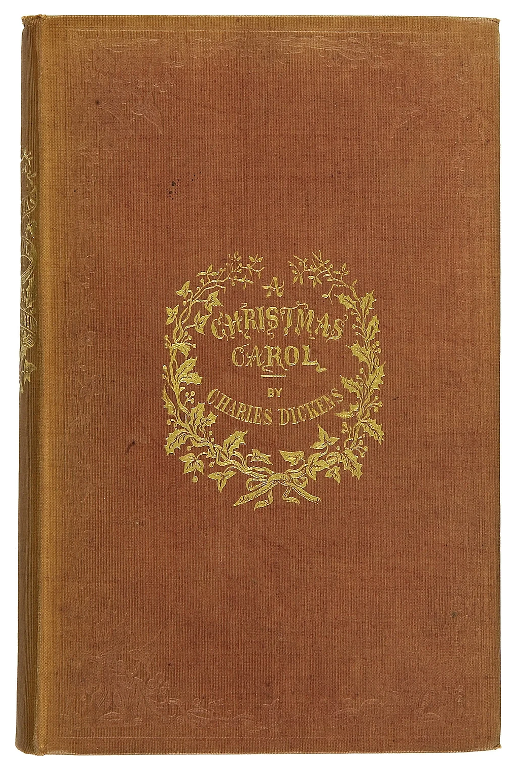
The story went on to shape how generations think about Christmas, compassion, and second chances. It has become the quintessential Christmas classic.
As this year comes to a close, maybe you felt supported and encouraged. If so, be grateful and celebrate. And if you didn’t—if encouragement was scarce and reassurance never arrived—remember this:
You don’t need approval to begin.
You don’t need perfect conditions to take the next step.
You only need the courage to move forward.
Maybe this is your season to bet on yourself.
To brave standing alone.
To bring your ideas into the world, even imperfectly.
After all, some of the most enduring endeavors begin the same way A Christmas Carol did: with one person choosing to believe before anyone else does.
THE GIFT THAT CAN'T BE WRAPPED
Most of the gifts we give this week will be unwrapped, admired, and eventually forgotten.
But one gift never goes out of style: your full attention.
Not the half-listening kind while your phone buzzes nearby. Not the distracted nod while your mind drifts to what’s next. The kind of attention that says, I’m here with you—and nowhere else.
It’s the choice to put your phone down.
To listen without planning your reply.
To sit with someone you love and be fully present—not distracted, not rushed.
Attention is rare. And because it’s rare, it’s valuable. In a world competing relentlessly for our focus, presence has become a quiet form of generosity.
Years from now, people won’t remember every gift they opened. But they will remember how they felt in your presence—whether they felt seen, heard, and valued.
This season, give what can’t be bought, wrapped, or returned.
Give the gift of being fully present.
A TREE FULL OF STORIES
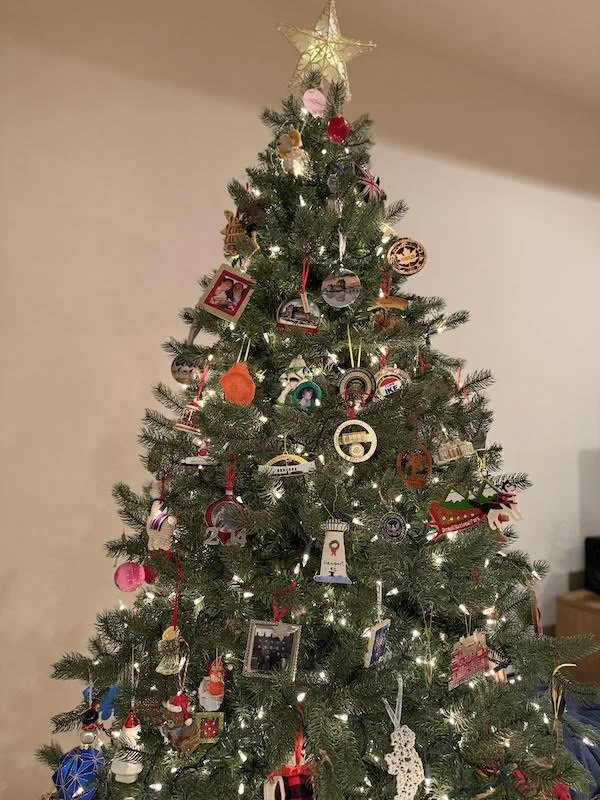
I love Christmas—the lights, the music, time with family. One of my favorite parts of the season is decorating the tree.
Our tree isn’t coordinated or themed. It’s layered with memories.
Each ornament marks a place we’ve been, an experience we’ve shared, or someone we love. There are reminders of national parks we’ve wandered—Denali, Joshua Tree, and Zion. There are ornaments from our annual Delaney Family Adventures—Whistler, Costa Rica, and Ireland. And there are mementos from cities whose streets we’ve walked and stories we’ve brushed up against—Edinburgh, Berlin, Amsterdam, and Florence.
Each ornament is small. But together, they tell the story of the lives we are living.
I’ve come to believe that milestones and markers matter. They remind us not just where we’ve been, but who we were becoming along the way. Life moves fast, and without reminders, even the best moments can fade into the blur of time.
Life, after all, is a collection of experiences. And once collected, it’s a gift to return to them—to reminisce, to remember, to feel gratitude for the journey.
My hope for you this holiday season is that it’s filled with moments worth remembering. Take a photo. Save a token. Frame the memory for next year’s tree.
May your Christmas tree become a yearly reminder—not just of the season—but of the beautiful journey your life has been, and continues to be.
BEFORE YOU GO
Christmas is a sacred time for many—myself included. It’s a celebration rooted in the belief that God loved us so deeply that He chose to enter the world as a baby, so that we might know Him.
And whether or not you celebrate Christmas, I hope you have sacred days of your own—moments that invite you to pause, reflect, and remember the beauty and gift of life.
As the year comes to a close, may your final days of 2025 be merry and bright.
Stay inspired by the life you’re living,
Kevin
Dec 18, 2025 — Looking Back to Live Better
As the year comes to a close, reflection helps us turn experience into wisdom. In this issue, I explore the value of looking back—on our days, our moments, and the people who shaped them—and share a few reminders found on the streets of New York about beginning again, embracing pressure, and clearing the dust to see what matters most.
Take Two
For people who know there’s more to life and don’t want to miss it.
WORDS TO WONDER
"We do not learn from experience… we learn from reflecting on experience."
— John Dewey, philosopher and psychologist
"We don't remember days; we remember moments."
— Cesare Pavese, poet and novelist
"How we spend our days is, of course, how we spend our lives."
— Annie Dillard, poet and author
PERSPECTIVES TO PONDER
As the year comes to a close, I find it invaluable to pause and reflect on all that has filled it. Reflection has a way of quieting the noise and revealing what truly mattered—and what didn’t.
Looking back helps me notice patterns: whether I’ve been paying attention to what’s good or fixating on what’s wrong; whether I’ve lived reactively or intentionally; whether my days reflect the life I hope to be living. As Annie Dillard reminds us, our lives are simply the sum of our days—and how we choose to spend them matters.
One simple exercise I return to each year is this: set aside 20 or 30 quiet minutes and reflect on your favorite moments—and your least favorite ones. Naming them brings clarity. It becomes easier to schedule more of what energized you and to gently avoid what drained you in the year ahead.
Take time to reflect on the people you spent the most time with. Did those interactions leave you feeling encouraged or depleted? Did certain relationships bring out your best—or your worst? Awareness creates choice. And choice creates change.
As Cesare Pavese observed, we don’t remember days—we remember moments. What were your defining moments of 2025? The places you went. The experiences that stretched you. The challenges that taught you something important. Reflection turns experience into wisdom—and wisdom helps us move forward with greater intention and meaning.
Some people quickly jot down a list of New Year’s resolutions on January 1. Others skip reflection altogether. I prefer a slower approach. I take the entire month of January to reflect, reimagine, and review the systems and goals in my life—asking whether they truly support the way I want to live.
Socrates famously said, “The unexamined life is not worth living.” Reflection doesn’t have to be heavy or burdensome. Think of it as an invitation to relive the moments that made you smile, grow, and feel alive.
One of my favorite ways to begin is simple: scroll back to January in your photo reel and move forward, moment by moment. It’s a powerful reminder of just how much life you lived this year—and a beautiful way to appreciate it all.
I hope reflecting on 2025 brings gratitude for the moments that mattered—and clarity for how you want to live in the year ahead.
THREE REMINDERS FROM THE STREETS OF NYC
When I travel, I try to slow down enough to notice the details—the things you’d miss if you were rushing from one destination to the next. While walking through New York this week, three images caught my eye. Each felt like a reminder worth carrying home.
1. You Can Begin Again
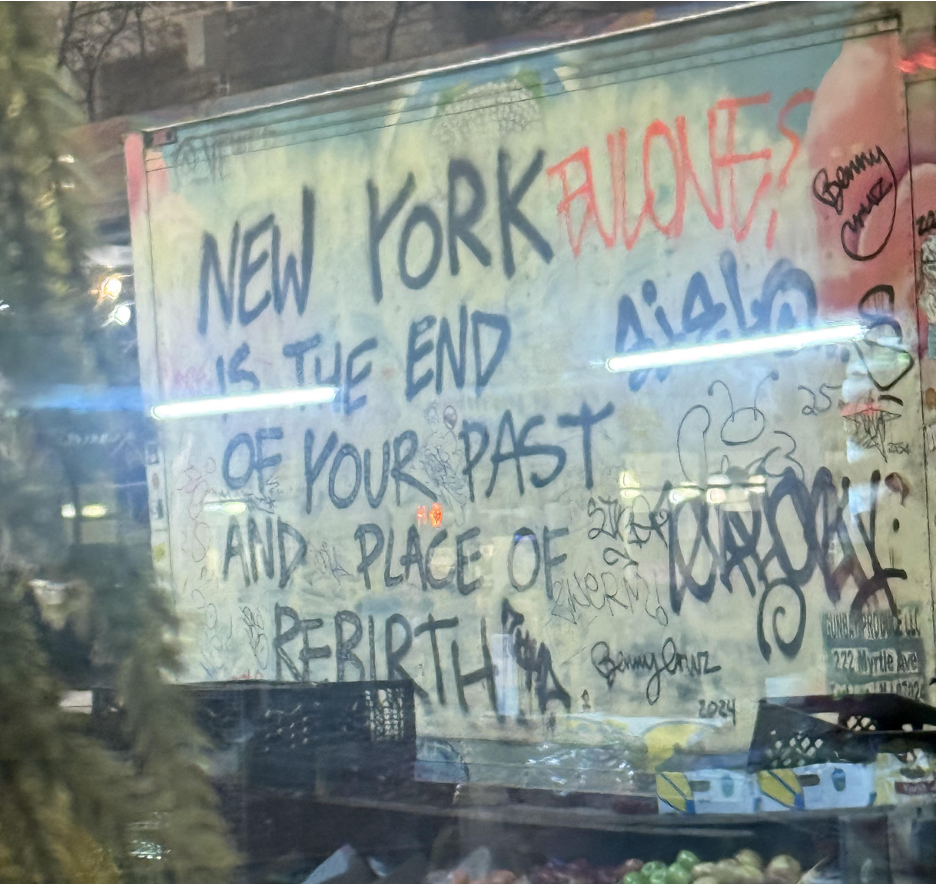
“New York is the end of your past and place of rebirth.”
Many people come to New York to leave something behind and start over. A past version of themselves. A chapter that no longer fits.
The good news? You don’t have to move to New York to do that.
Any day can be a reset. Any moment can be a turning point. Starting fresh isn’t about geography—it’s about choice. We can all leave the past where it belongs and begin again, if we’re willing to decide that today is different.
2. Pressure Is a Privilege
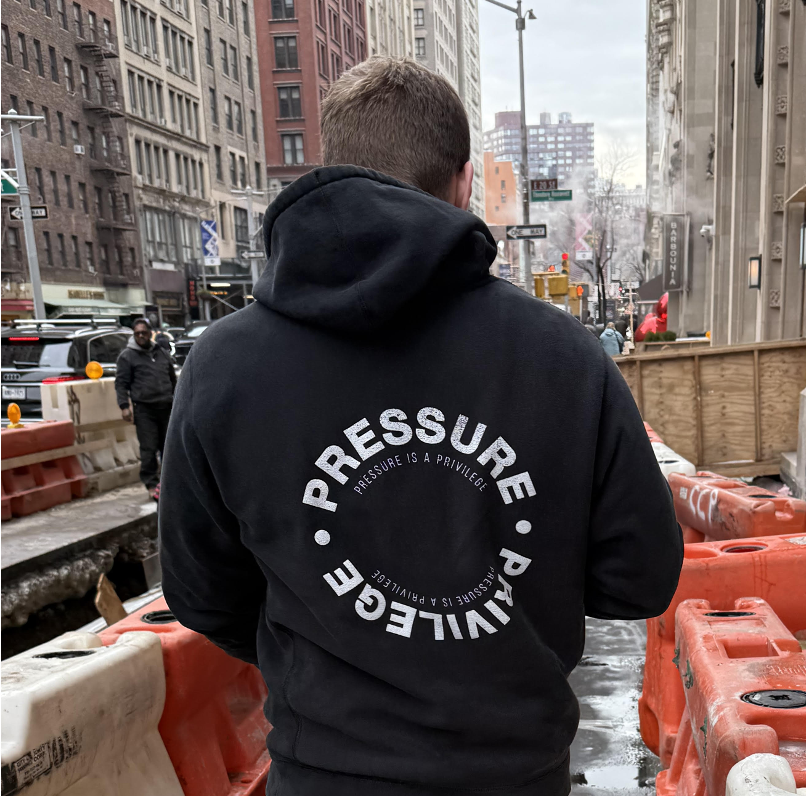
Pressure only exists when something matters.
If no one expects anything of you, if nothing important is at stake, if no one is depending on you—there’s no pressure. But there’s also very little meaning.
Pressure can be uncomfortable, even heavy at times. But it’s also a reminder that you’re in the arena—engaged, responsible, alive—rather than standing safely on the sidelines. The weight you feel is often the cost of doing something that matters.
3. Wash the Dust Away
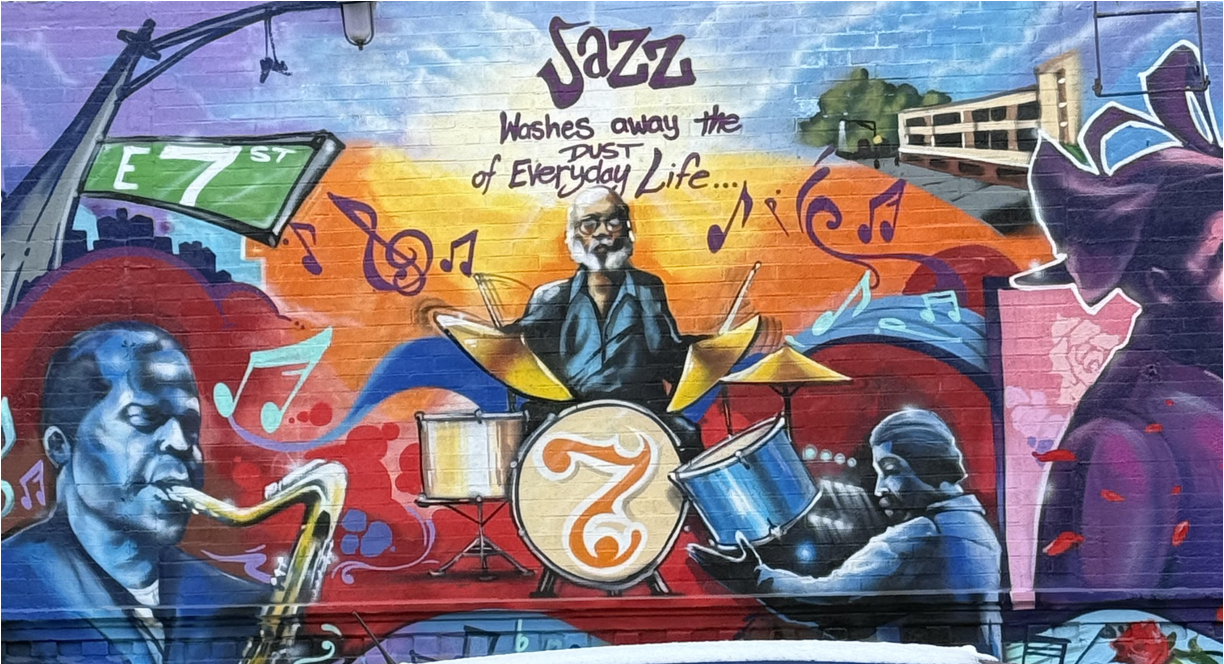
“Jazz washes away the dust of everyday life.”
Life gets messy. Repetition dulls our senses. Routines pile up, and before we know it, the wonder is covered in dust.
Sometimes we need to pause and clear it away.
For some, that might be music. For others, a deep conversation, time in nature, prayer, movement, or quiet solitude. Whatever does it for you, take a few moments to wash the dust away—so you can see clearly again the extraordinary things that are already happening all around you.
BEFORE YOU GO
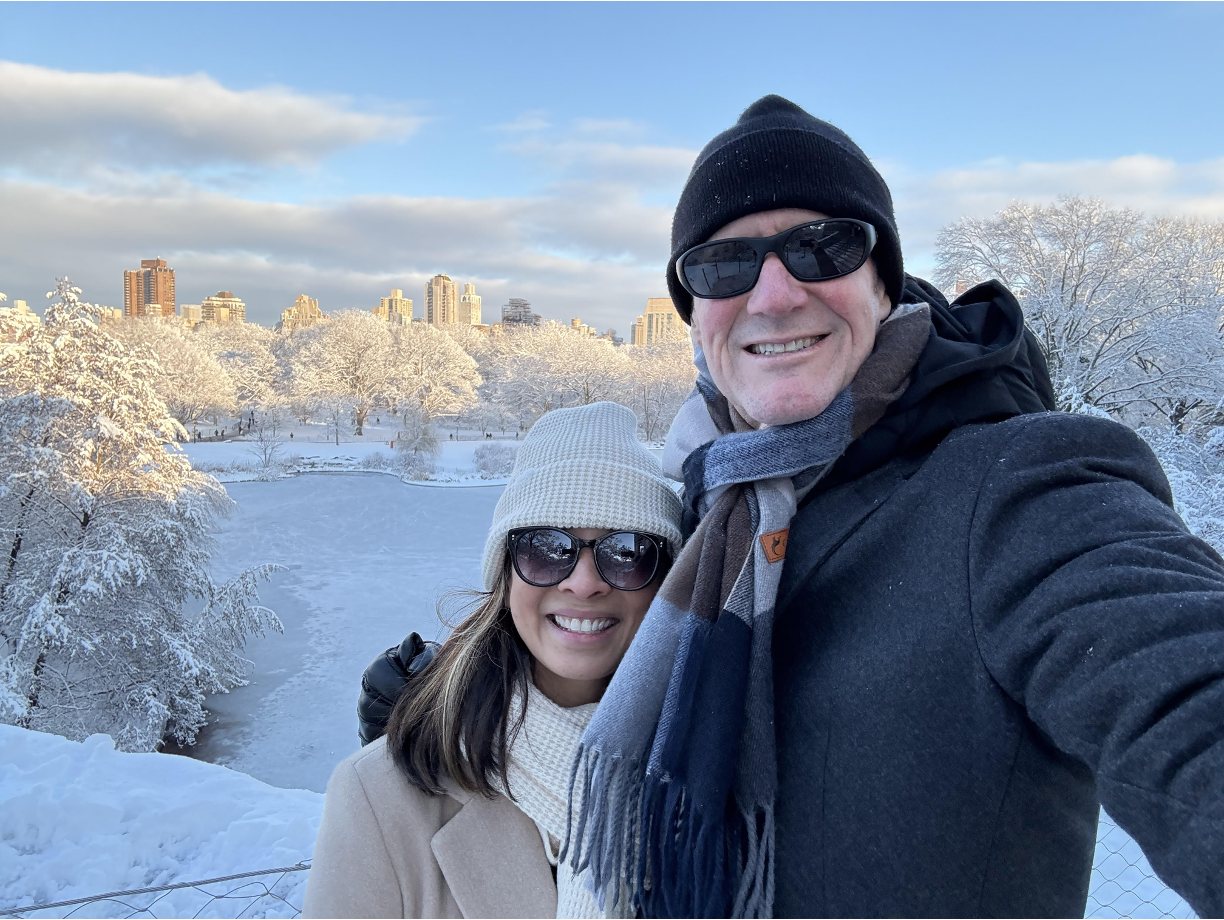
I’ve spent a lot of time in New York. Vicky and I were married in Central Park, and we return every year.
This time, we arrived in fresh snow and 20-degree weather. That single change—snow—made everything feel different. Of all my years visiting New York, this one stood apart. Central Park—so familiar to us—had been transformed into a winter wonderland.
It was a simple but powerful reminder: sometimes one change can transform everything.
As you look ahead to 2026, consider one action—one habit, one decision, one shift in focus—that could quietly change the trajectory of your life. You don’t have to overhaul everything. You don’t need a long list of resolutions.
Sometimes, one intentional change is enough.
Stay inspired by the life you’re living,
Kevin
Dec 11, 2025 — Is It a Wonderful Life?
A reflection on It’s a Wonderful Life, quiet meaning, and how seeing your life with new eyes can reveal more purpose than you realize.
Take Two
For people who know there’s more to life and don’t want to miss it.
WORDS TO WONDER
“The real voyage of discovery consists not in seeking new lands but in seeing with new eyes."
— Marcel Proust, novelist (1871-1922)
PERSPECTIVES TO PONDER
In the timeless film It’s a Wonderful Life, we meet George Bailey. He dreams of traveling the world and living a life of adventure—but he sacrifices those dreams to help others in his small town of Bedford Falls.
When a financial crisis strikes, George is on the verge of losing everything. He feels like a failure and even contemplates ending his life. That’s when he meets Clarence.
Clarence is an angel who shows George what Bedford Falls would have been like if he had never been born. It’s a dark and hopeless place, and the people he loves are suffering. Realizing how deeply he’s impacted others, George gains a new appreciation for his life.
George’s external circumstances didn’t change. He’s still in the same town, facing the same struggles. But his perspective shifts dramatically. Instead of seeing himself as worthless, he now sees a life full of meaning and purpose.
I think we could all benefit from an encounter with someone like Clarence. We all have moments when we question our impact or wonder whether we’re making a difference. But sometimes, like George, we just need to see life from another point of view. A shift in perspective can help us realize our lives may be far better than we thought.
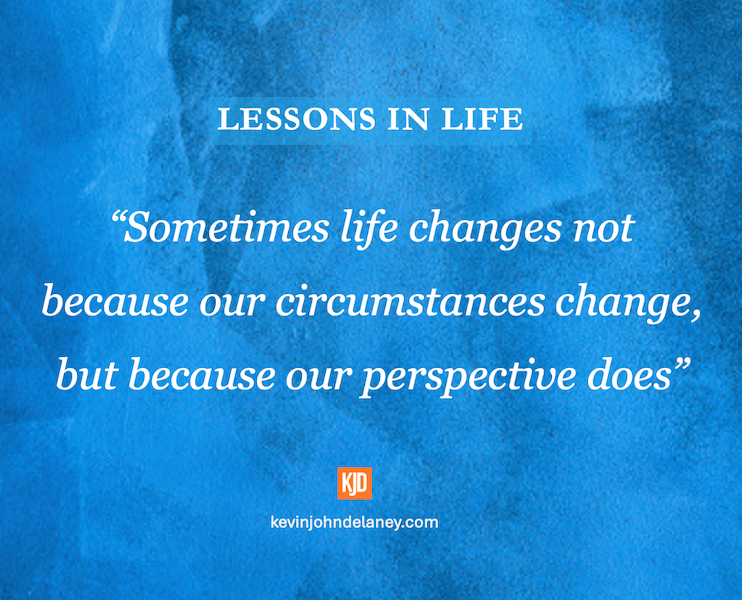
What if the life you’re living is already more meaningful than you realize? Maybe it’s not your life that needs to change—but the way you’re seeing it.
As we move through this holiday season, may we all find moments to see our lives with new eyes. And may you catch a fresh glimpse of the purpose your life carries—and a renewed appreciation for the many quiet ways you make the world better.
From my new book, Words to Wonder, #20 in the Perspective chapter.
REMINDERS WORTH REMEMBERING
I’ve learned that the most meaningful lessons aren’t always new ones. More often, they’re things I already knew but simply lost track of in the busyness and noise of living—like an important note buried somewhere in a stack of papers on my desk. Then I stumble across it again and think, Oh right… this matters. And I move it back to the top where it can actually get the attention it deserves.
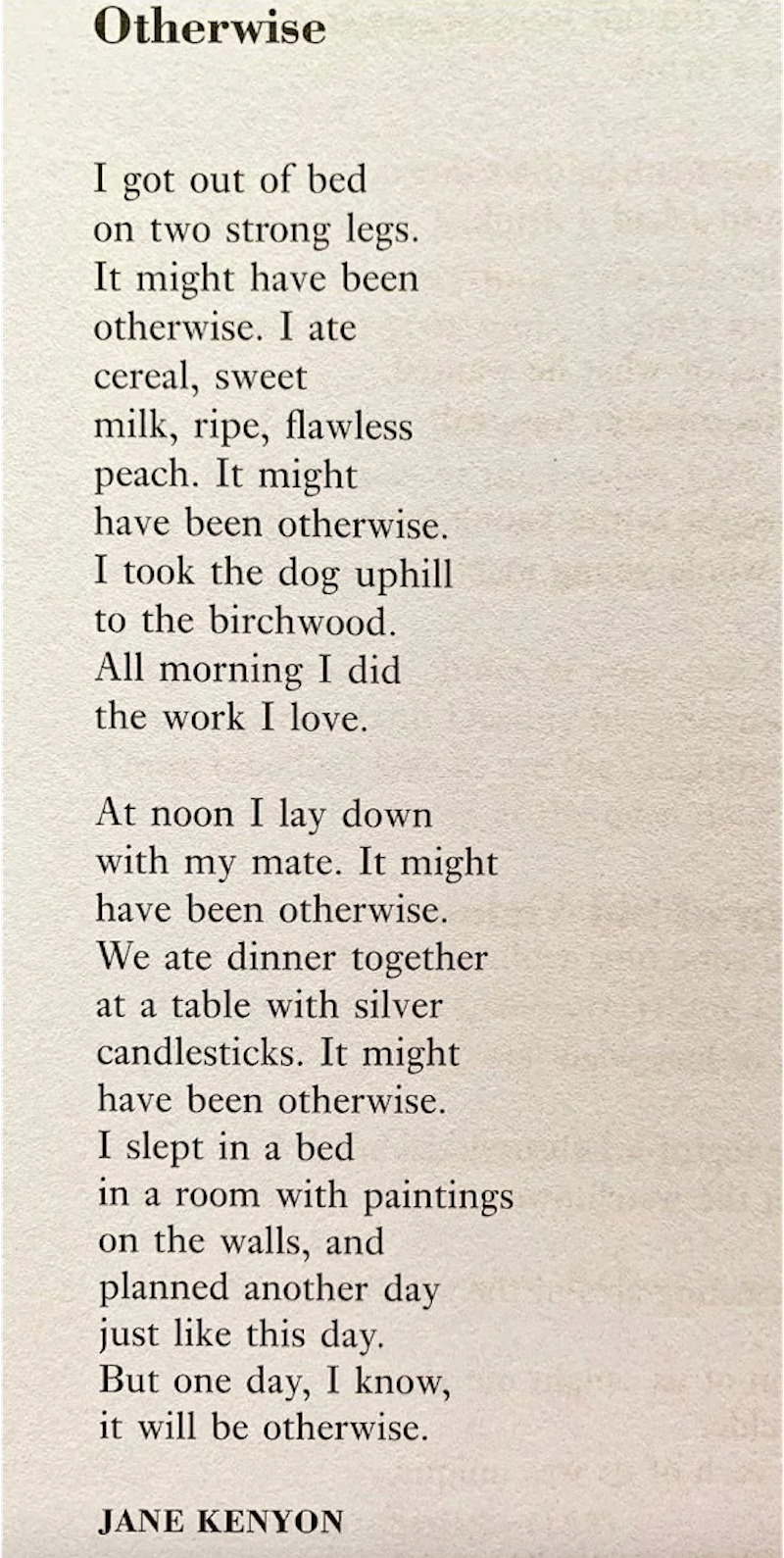
Jane Kenyon's poem, Otherwise, is one such reminder.
STORIES WORTH KNOWING
What Krispy Kreme Can Teach Us About Living a Better Life
We live in a world that equates speed with success. But sometimes the very thing we rush toward gets ruined in the process. This week I wrote about Krispy Kreme—a company whose dramatic rise holds an unexpected lesson for the rest of us.
It’s a story about donuts… but even more, it’s a story about how we move through our lives, and what we risk missing when we push too hard or too fast.
If you’ve ever felt the pressure to hurry, hustle, or do more, this short article may offer a fresh perspective.
Read the story HERE
BEFORE YOU GO
This week’s stories all point in the same direction. George Bailey reminds us that our lives may be far more meaningful than we realize. Jane Kenyon’s Otherwise nudges us to notice the ordinary gifts we usually rush past. And Krispy Kreme shows us what happens when “more” and “faster” start to ruin what was already good.
As this year winds down, maybe the challenge isn’t to do more, but to see more—to slow the pace, shift your perspective, and appreciate the life you’re already living.
Stay inspired by the life you’re living,
Kevin
Dec 4, 2025 — When Kindness Rewrites the Story
Take Two
For people who know there’s more to life and don’t want to miss it.
WORDS TO WONDER
“No act of kindness, no matter how small, is ever wasted.”
— Aesop
PERSPECTIVES TO PONDER
Two years ago, in Ferrum, Virginia, a fire broke out in a residential neighborhood. The volunteer fire department rushed to the scene and battled the blaze for four hours. The fire was contained to a single home, but that family lost everything. And as if that weren’t hard enough, it happened just a few days before Christmas.
When the firefighters returned to the station, they couldn’t shake the image of the children standing in the cold, watching their home—and everything they owned—disappear in flames. So they decided to do something about it.
They took up a collection, went shopping together, and filled their fire trucks with toys, clothes, and Christmas surprises. On Christmas Day, they delivered everything to the family’s temporary home, determined to help the family still celebrate Christmas.

As the holidays approach, crowds will grow, traffic will slow, and tempers may flare. But even in the midst of the season’s chaos, opportunities to choose kindness are everywhere. And as Aesop reminded us, no act of kindness is ever wasted.
Wishing you a season filled with kindness.
THE EXTRAORDINARY LIFE LIBRARY
The Almanack of Naval Ravikant
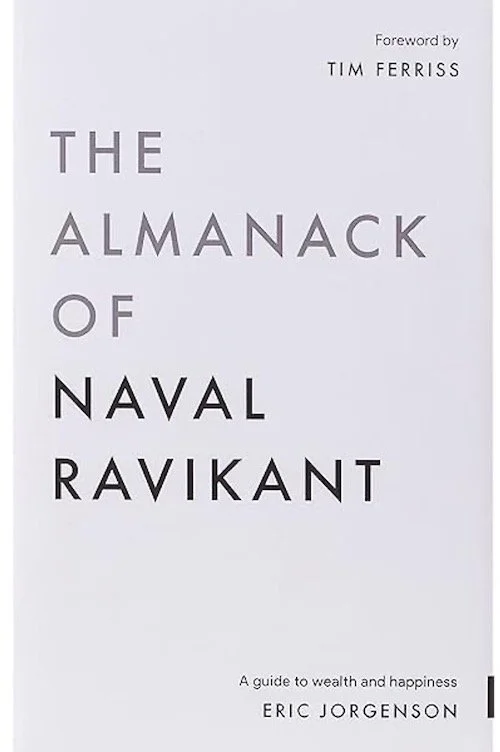
If you are looking for a book full of thought-provoking ideas and insights, I highly recommend The Almanack of Naval Ravikant by Eric Jorgenson.
The book distills Naval’s most valuable insights on wealth, happiness, and intentional living. It's a book worth revisiting often as you consider how to design a more meaningful life.
Check out my favorite quotes from the book here.
STORIES WORTH KNOWING
The Power of Initiative and the Courage to Act
History often turns on the bold, visible actions of famous leaders. But just as often, it hinges on the quiet courage of someone whose name never makes the headlines.
This week I wrote about Andrew Higgins, an entrepreneur most people have never heard of, yet a man Eisenhower credited with winning the war. His persistence, foresight, and refusal to wait for permission changed the course of history.
Higgins’ story is a reminder that impact isn’t reserved for the extraordinary few. It belongs to anyone willing to notice what others overlook, step into a gap, and take action. If you’ve ever wondered whether your actions can make a difference, this story will encourage you.
Read the story HERE
BEFORE YOU GO
Our stories change with the choices we make. Firefighters chose kindness and gave the gift of Christmas. Andrew Higgins chose initiative and helped win a war. What will you choose this week? This season? In this final month of 2025?
Stay inspired by the life you’re living,
Kevin