When the Plan Isn’t the Problem
Most leaders are solving the wrong problem.
When performance slips, leaders rush to rewrite the plan.
New strategy. New goals. New messaging.
But what if the plan isn’t the problem?
I once joined a company that prided itself on being data-driven.
We gathered information relentlessly. Employee surveys. Manager 360 reports. Exit interviews. Engagement metrics.
We analyzed everything. Built dashboards. Held review meetings. Created action plans to fix the problems the data revealed.
Quarter after quarter, we studied the numbers.
Quarter after quarter, the problems never changed.
The same complaints surfaced.
The same frustration lingered.
And one by one, the high performers walked out the door.
The one thing that never changed? The leader everyone knew was the problem — and no one was willing to confront.
No amount of data could fix what leadership was unwilling to confront.
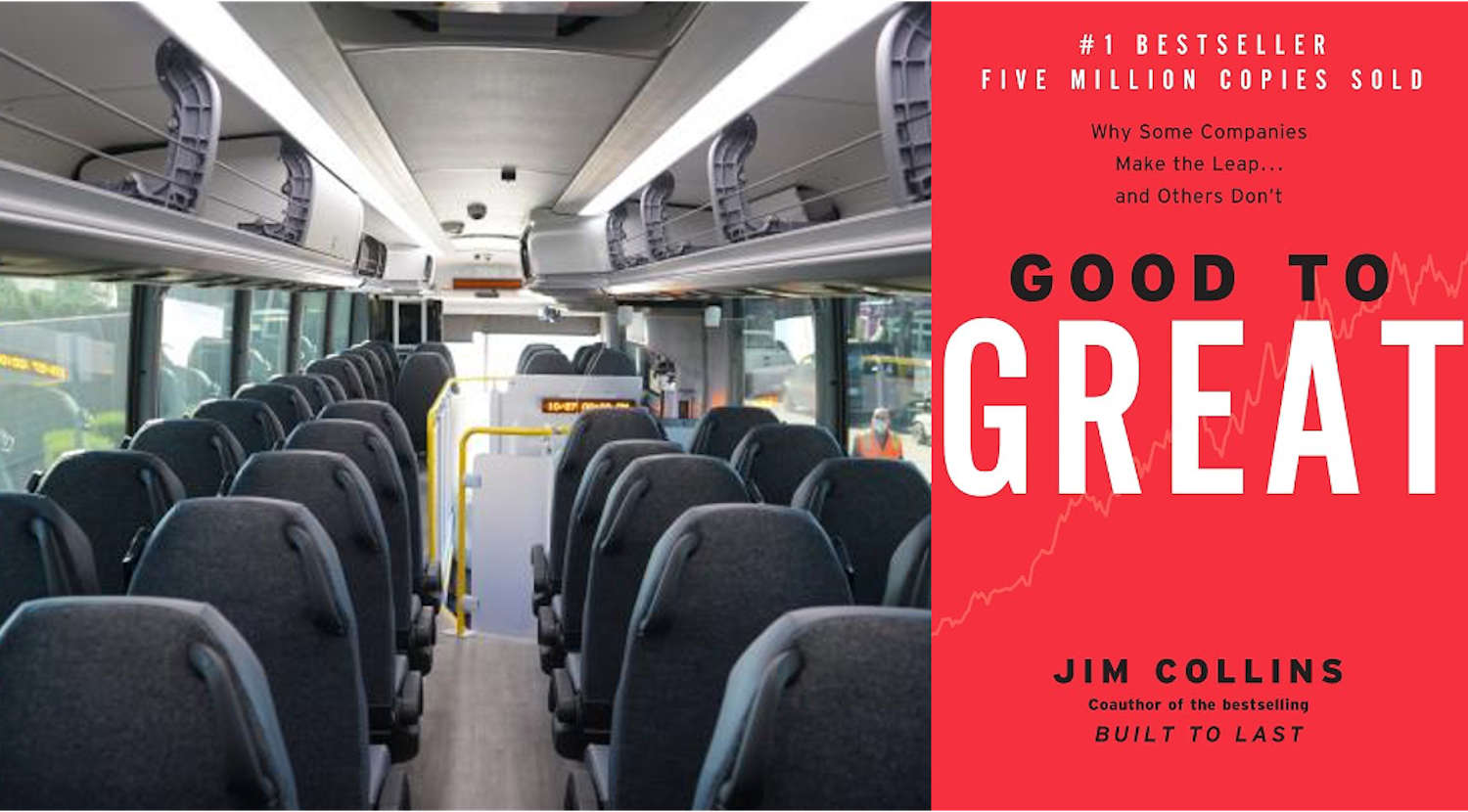
Years ago, Jim Collins said it plainly in Good to Great:
Get the wrong people off the bus.
Get the right people on the bus.
Then let the right people figure out where to drive it.
It sounds simple.
It isn’t.
Because simple isn’t easy.
The real issue usually isn’t strategy.
It’s people.
You can’t execute a great strategy with the wrong team.
And you can’t expect the wrong people to design the right future.
Leaders tolerate the wrong people because confrontation feels harder than another strategy meeting.
So they refine the plan.
They restructure the org.
They talk about alignment.
Meanwhile:
• Energy drains.
• Standards slip.
• High performers disengage.
The wrong people don’t just underperform.
They lower the standard for everyone.
Keep the wrong people on the bus, and you’ll eventually end up somewhere you don’t want to go.
Worse — your best people may decide to find another bus.
But This Isn’t Just a Business Problem
It’s a life problem.
We tolerate misalignment in friendships because hard conversations feel uncomfortable.
We stay in environments that drain us because change feels risky.
We keep unhealthy habits on our personal bus because discipline feels inconvenient.
Over time, what we tolerate shapes where we arrive.
If your life feels off course, the issue may not be your plan.
It may be who — or what — you’ve allowed on board.
We spend a lot of time trying to design a better future.
But sometimes the bravest step forward isn’t a new strategy — it’s a hard decision.
A conversation.
A boundary.
A change in who gets a seat in your life.
You don’t need a better roadmap.
You may need the courage to change the passenger list.
If you’d like more ideas and inspiration for living life with intention, you can join my free newsletter at the bottom of this page.